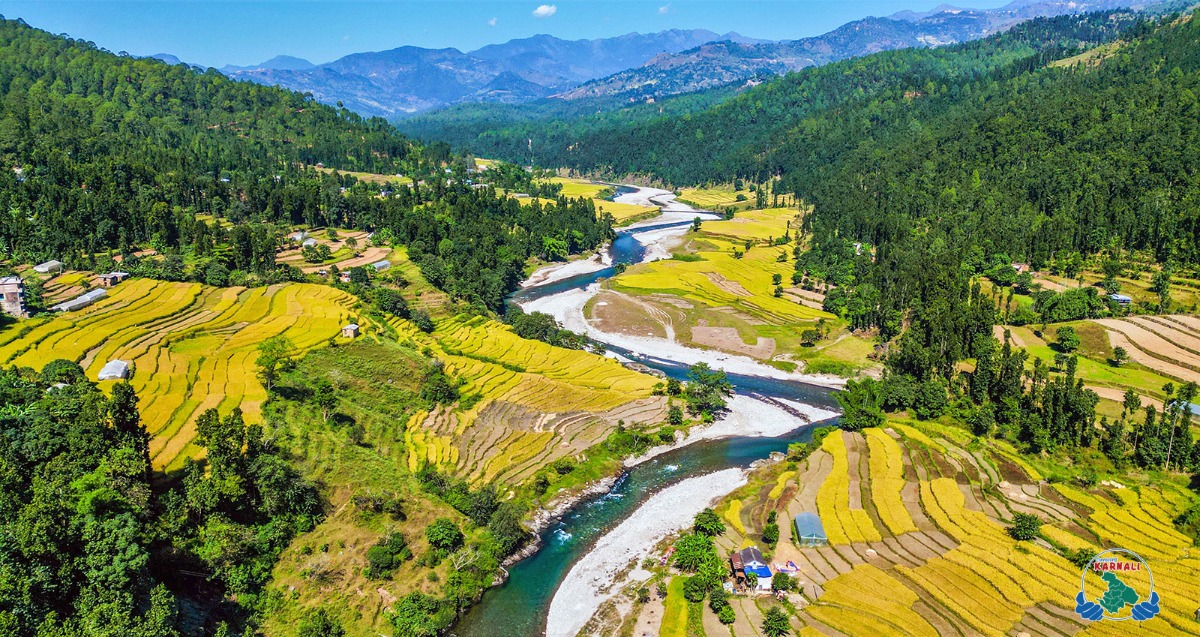
Karnali Province, located in the northwestern Himalayan region of Nepal, is the largest province of the country by area, covering 27,984 square kilometers with an estimated population of around 1.6 to 1.7 million. Known for its untouched natural beauty, spiritual landscapes, and cultural depth, Karnali is gradually emerging as one of Nepal’s most promising regions for sustainable development and international tourism.
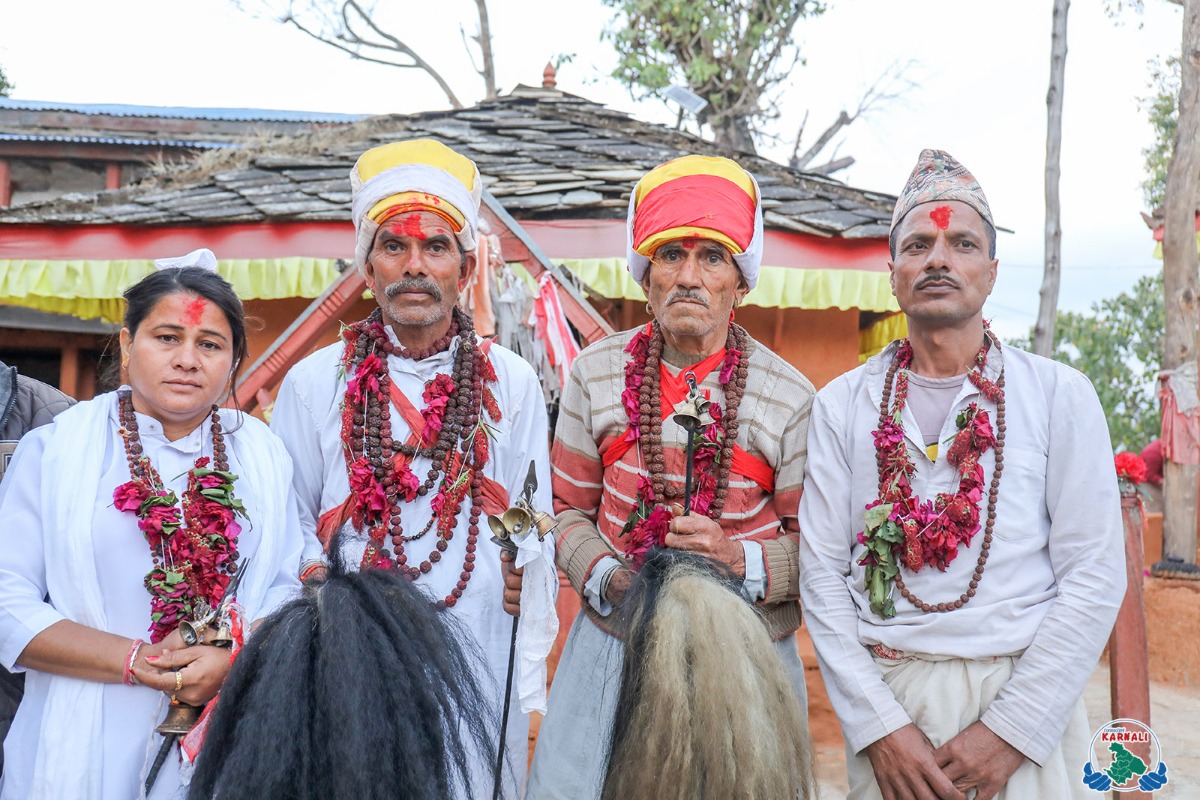
Cultural and Spiritual Identity
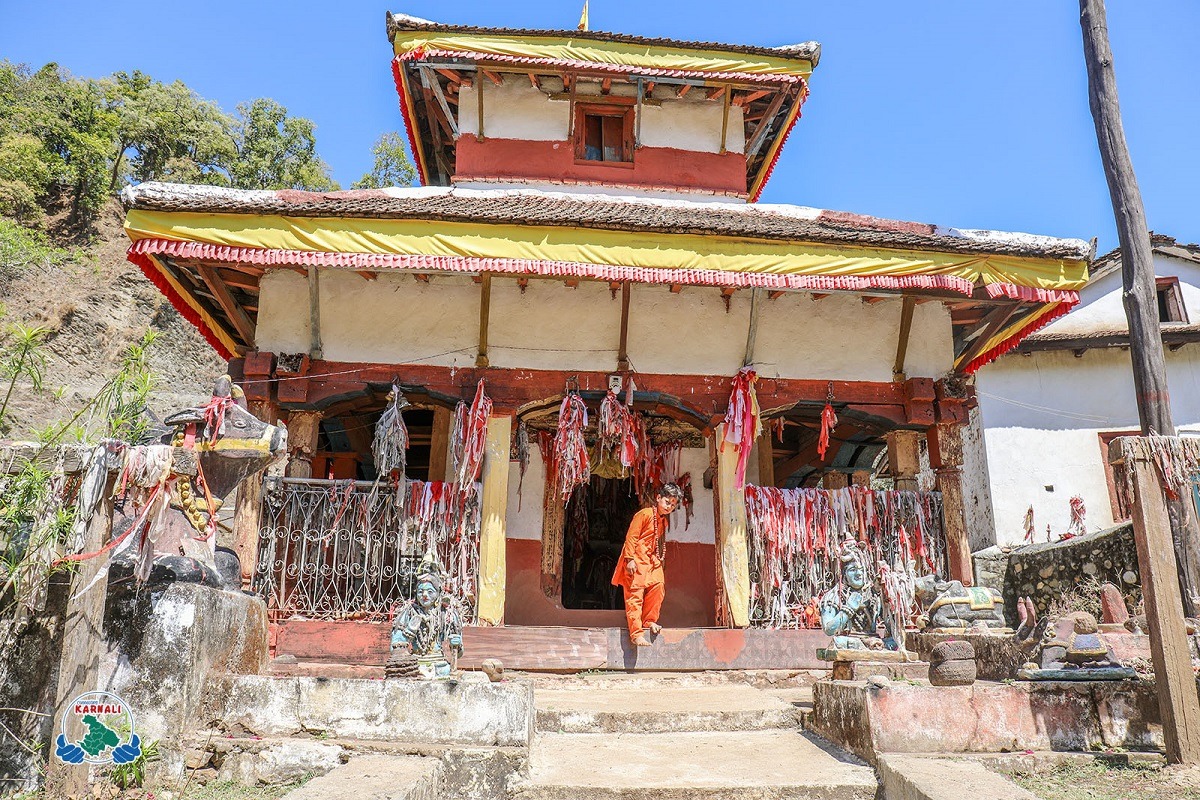
The province is connected with Nepal’s broader identity as a Himalayan nation rich in biodiversity, ancient civilization, and spiritual heritage. With its proximity to sacred Himalayan routes and cultural ties to Buddhist and Hindu traditions, Karnali holds strong potential for religious, cultural, and eco-tourism development linked with Nepal’s global image as the birthplace of Lord Buddha and a land of spiritual enlightenment.
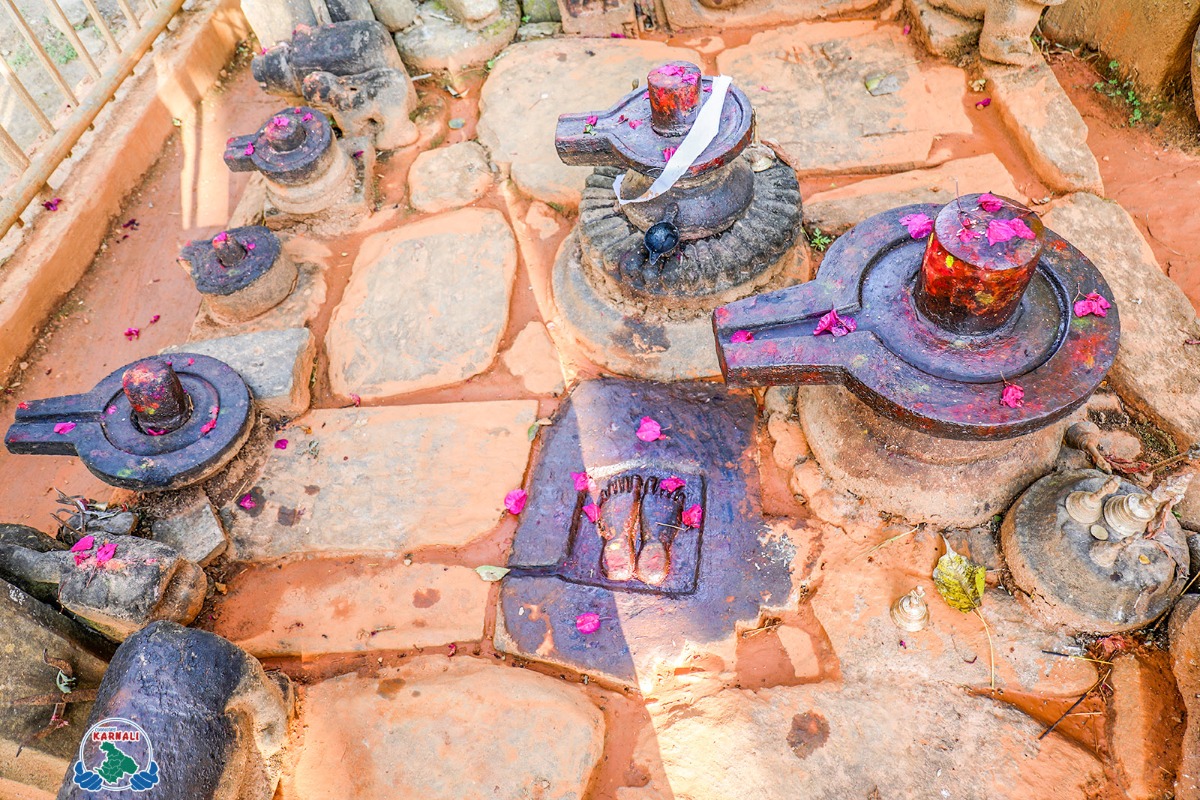
Districts and Ethnic Diversity
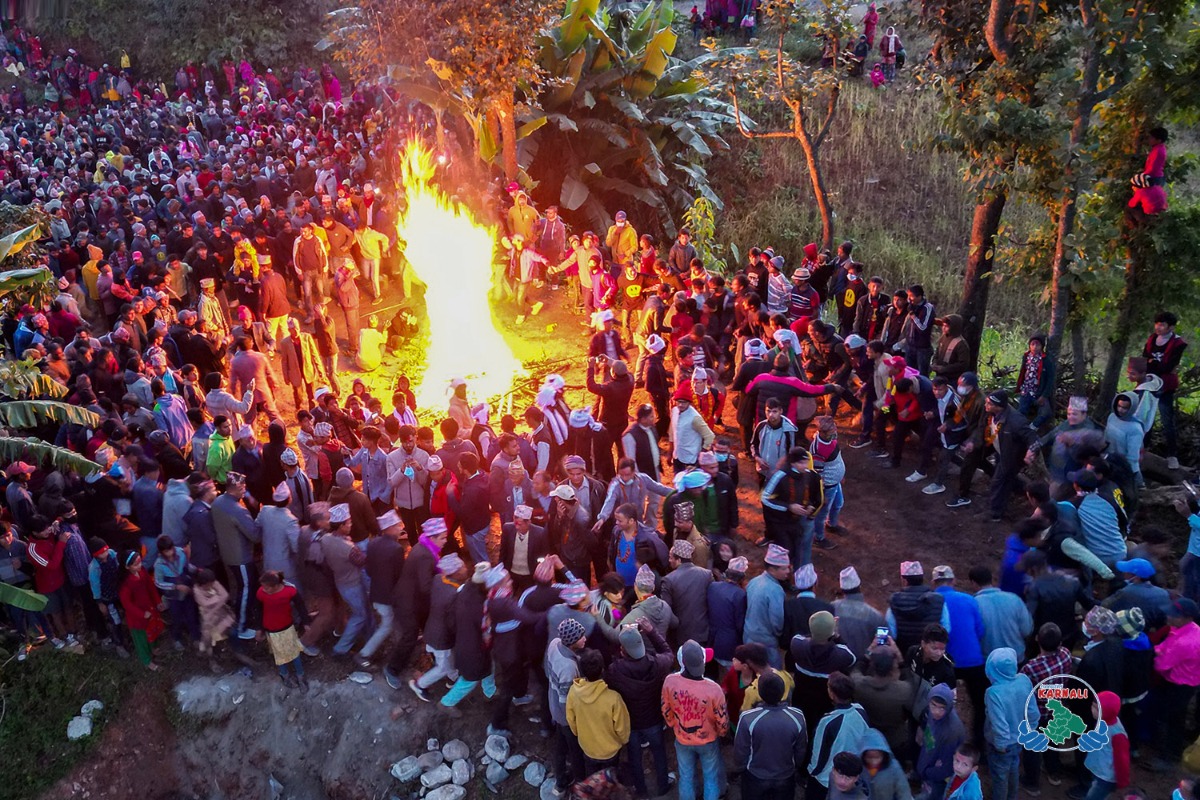
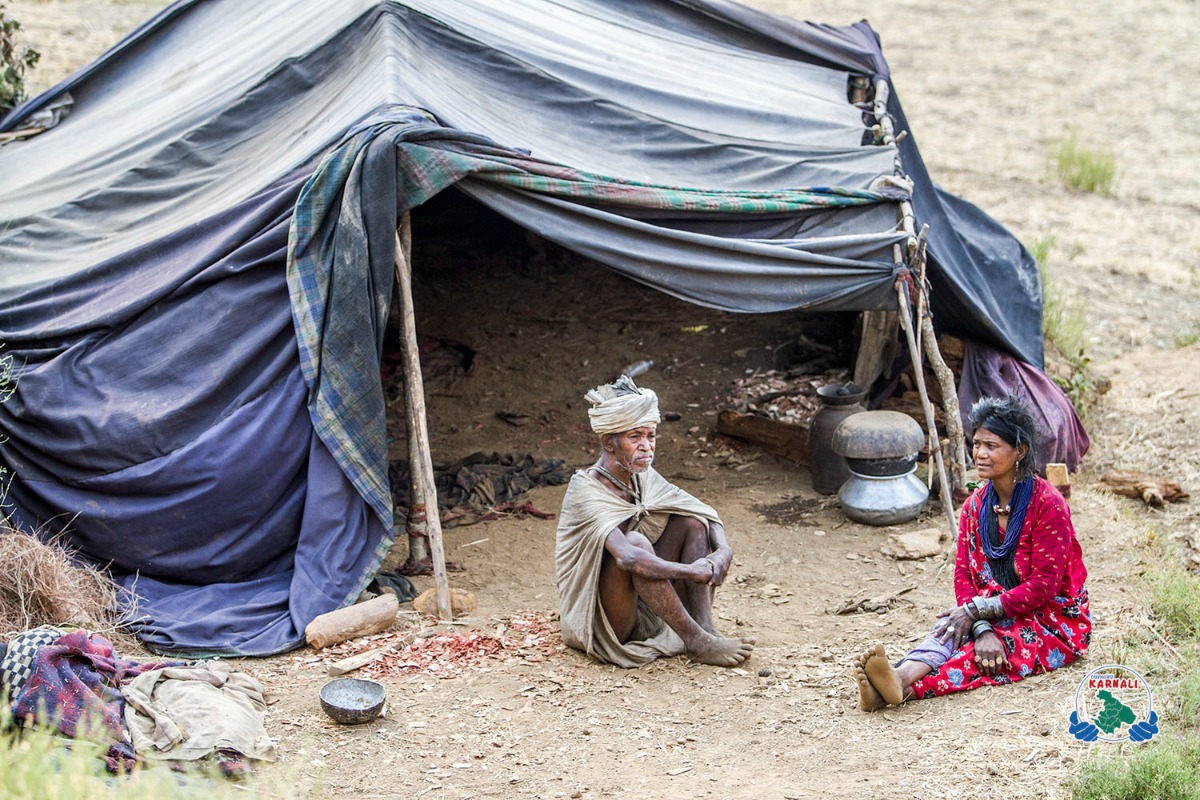
Karnali consists of ten districts: Surkhet, Dailekh, Jajarkot, Salyan, Western Rukum, Kalikot, Jumla, Mugu, Humla, and Dolpa. Each district contributes unique geographical features, ethnic diversity, and historical significance. The region is home to diverse communities, including Khas Arya, Dalits, Magar, and Himalayan/Tibeto-Burman groups, creating a rich cultural mosaic that reflects Nepal’s unity in diversity.
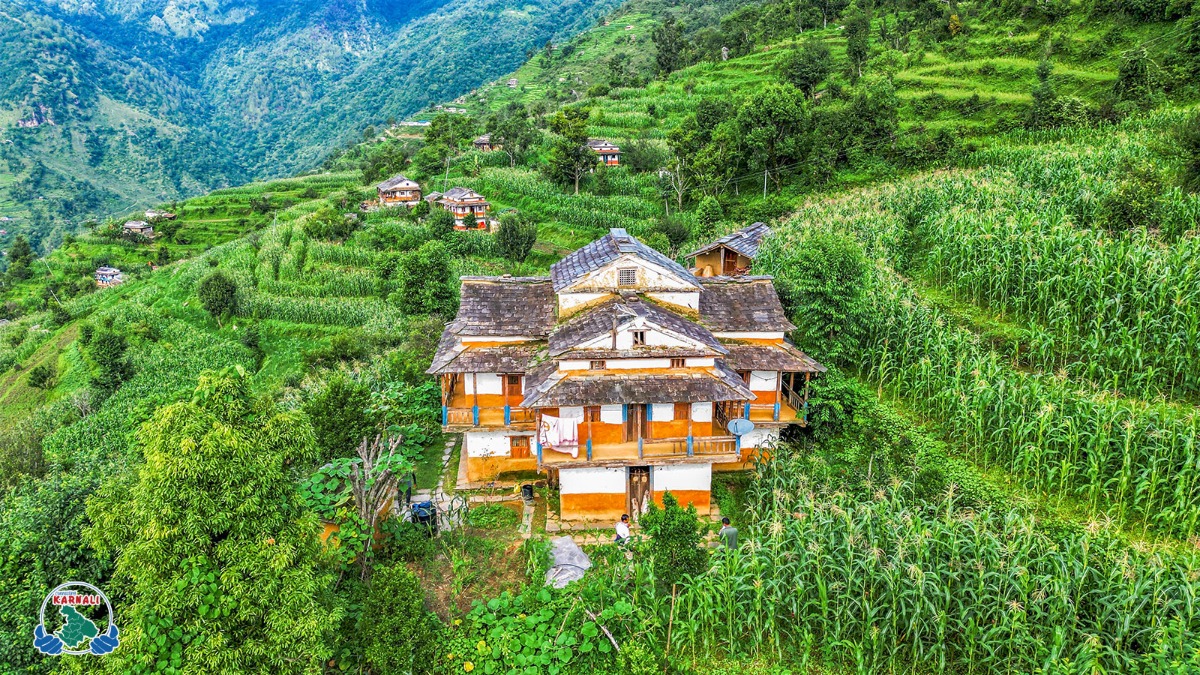
All photographs used here were captured by Photo Courtesy: Shreeram Sigdel
Economic Foundation and Livelihood
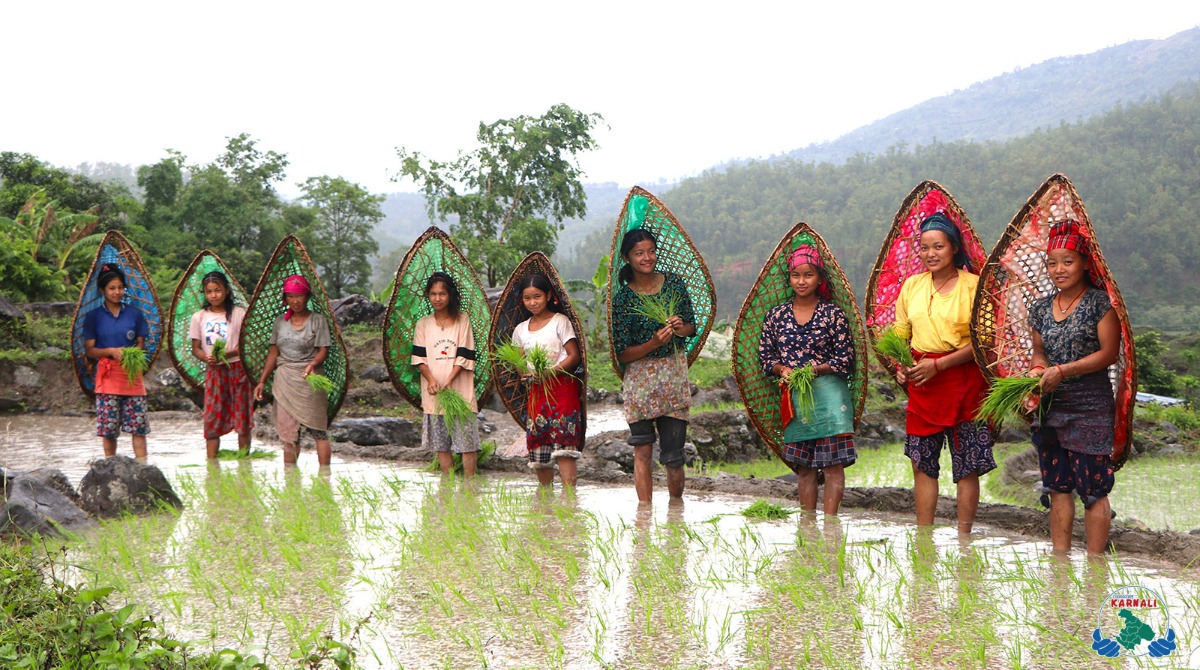
Economically, Karnali is primarily supported by agriculture, livestock, remittances, government services, and emerging tourism activities. A large number of residents migrate abroad for employment, and remittances play a crucial role in supporting household livelihoods, education, healthcare, and infrastructure development. Agriculture remains the backbone of the province, with major crops such as maize, millet, barley, wheat, potato, and buckwheat, along with livestock farming including goats, sheep, cattle, and yaks.
Medicinal Herbs and Natural Resources
Karnali is also globally significant for its high-value medicinal herbs, including Yarsagumba, Jatamansi, Kutki, Panchaule, and Timur, which have strong export and pharmaceutical potential. These natural resources position Karnali as a future hub for organic products and herbal-based industries.
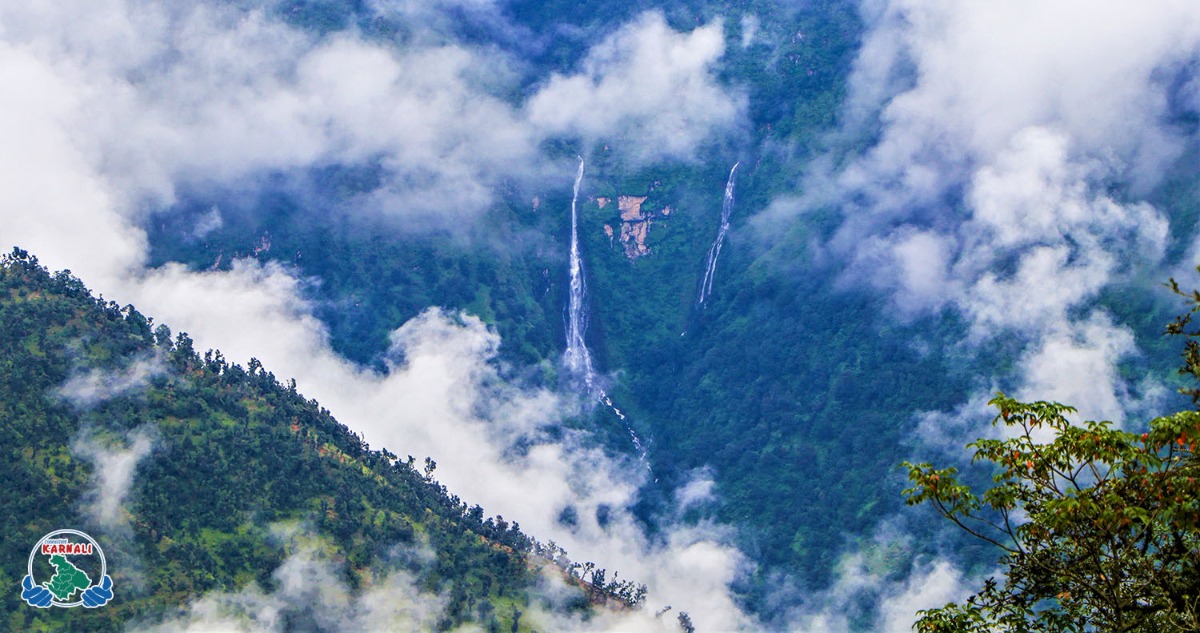
Tourism Potential
Tourism is one of the most promising sectors for Karnali’s transformation. The province offers a rare combination of religious, cultural, adventure, ecological, and rural tourism experiences. Major attractions include Rara Lake, Shey Phoksundo Lake, the Dolpo region, Sinja Valley, the historical origin of the Nepali language, and the Karnali River, which is famous for rafting and adventure tourism.
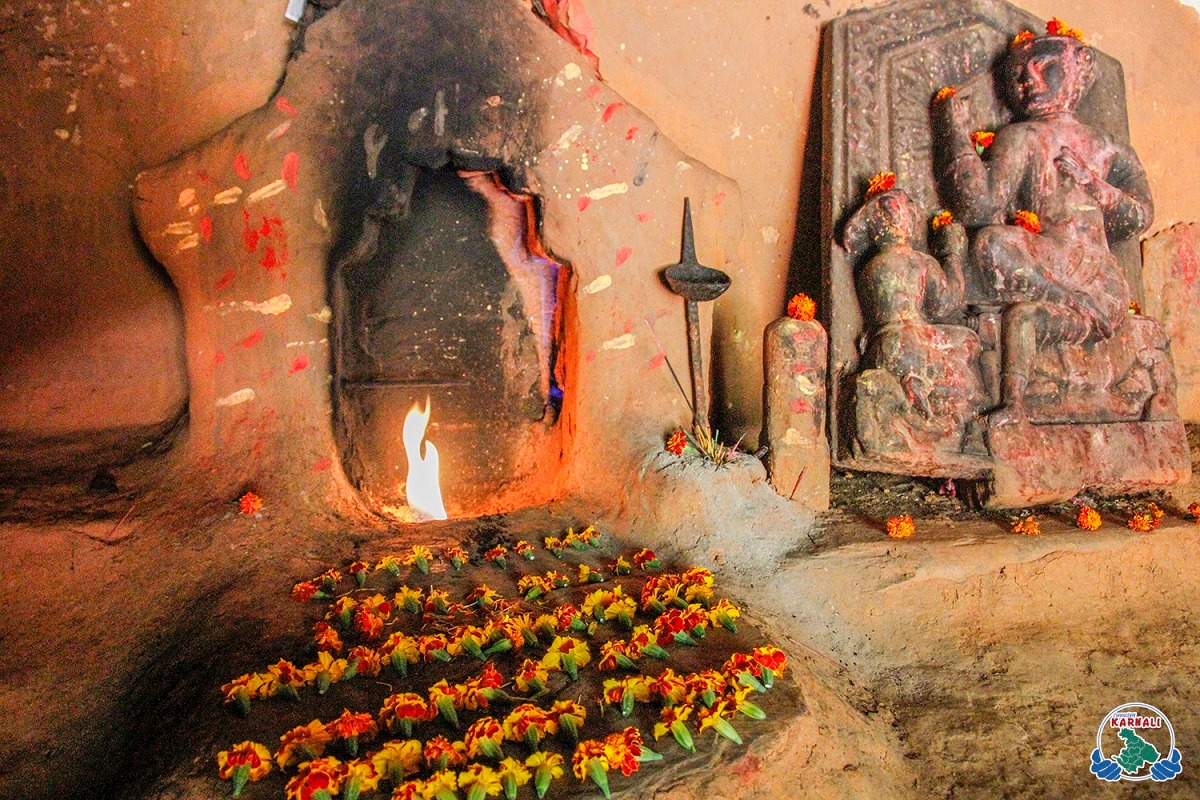
Religious and Spiritual Tourism
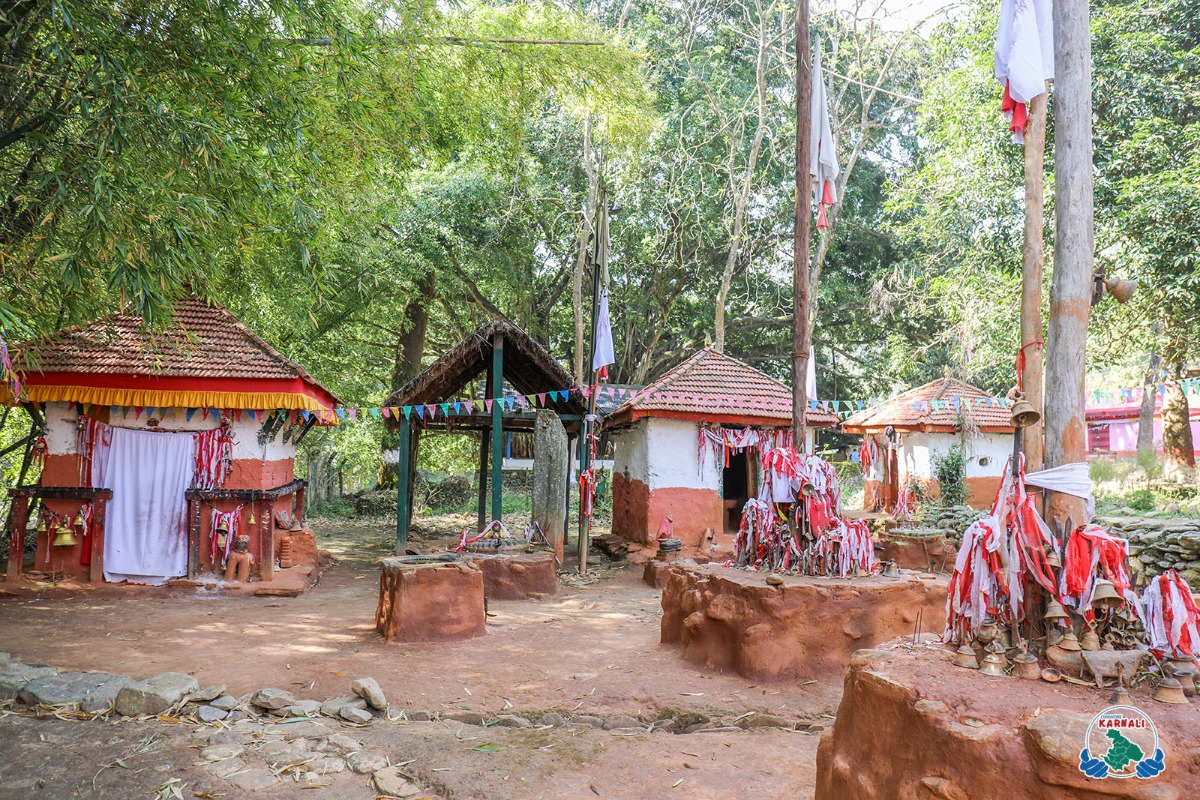
Religious and spiritual tourism also holds deep importance, with sacred sites such as Chandannath Temple, Tripurasundari Temple, and ancient monasteries in Limi Valley attracting pilgrims and spiritual seekers. The region’s connection with Himalayan spirituality and Buddhist heritage further strengthens its tourism identity on the global stage.
Adventure and Eco-Tourism Opportunities
Adventure tourism is another key strength of Karnali, offering opportunities for trekking in Upper Dolpo, Himalayan expeditions, wildlife exploration, and eco-tourism in pristine natural environments. Its biodiversity-rich national parks and untouched landscapes make it an ideal destination for sustainable and nature-based tourism development.
Infrastructure and Connectivity
In terms of infrastructure, Karnali is connected by major highways, including the Karnali Highway, Mid-Hill Highway, Ratna Highway, and Karnali Corridor. Despite this, the province continues to face challenges, including difficult terrain, landslides, and high transportation costs. Air connectivity through Surkhet, Jumla, Talcha, Juphal, Simikot, and Chaurjahari airports plays a vital role in linking remote regions.
Challenges and Development Barriers
However, challenges such as weak infrastructure, a shortage of skilled manpower, bureaucratic delays, and youth migration still limit rapid development. Addressing these challenges requires strategic investment, policy reforms, and strong collaboration between the government, the private sector, and international partners.
Investment Opportunities and Economic Growth
Despite these constraints, Karnali offers immense investment opportunities in hydropower, eco-tourism, organic agriculture, medicinal herbs, SMEs, and ICT development. Supportive policies such as long-term land leases, tax incentives, investment guarantees, and one-window service systems are essential to attract national and international investors.
Future Vision for Karnali
With strategic planning and inclusive development, Karnali has the potential to emerge as a green economic hub of Nepal, focusing on sustainable tourism, renewable energy, agriculture modernization, and digital transformation. The involvement of Non-Resident Nepalis (NRNs), diaspora investment, and public-private partnerships can play a transformative role in accelerating this progress. Karnali Province stands as one of Nepal’s most valuable yet underdeveloped regions, blessed with extraordinary natural beauty, cultural richness, and spiritual significance. With proper investment, infrastructure development, and global collaboration, Karnali can emerge as a leading international destination for tourism, culture, and sustainable economic growth, contributing significantly to Nepal’s overall prosperity and global identity.
Written By: Som Nath Sapkota (Spokesperson, NRNA; Chair, Tourism Promotion Committee, NRNA)
Source : tourisminfonepal