The Government of Nepal, in its Policy and Program for the Fiscal Year 2083/84, has placed tourism and culture at the forefront of the country’s economic transformation agenda. The policy presents a clear vision of preserving Nepal’s natural beauty, religious heritage, cultural diversity, and historical identity while promoting them at the international level. As stakeholders engaged in the tourism promotion sector and the Non-Resident Nepali Association (NRNA), we view this initiative as a positive and forward-looking step.
Visit Nepal 2085 Campaign and Global Promotion Strategy by Government
The government has given special priority to the preparation of the “Visit Nepal 2085” campaign. Through this initiative, Nepal aims to establish itself as a more competitive and attractive global tourism destination. Key pillars of this campaign include international promotion, development of new tourist destinations, and expansion of tourism infrastructure. In particular, the expansion and modernization of aviation infrastructure and the efficient operation of international airports are expected to significantly contribute to increasing tourist arrivals.
Aviation Expansion and Digital Tourism Services
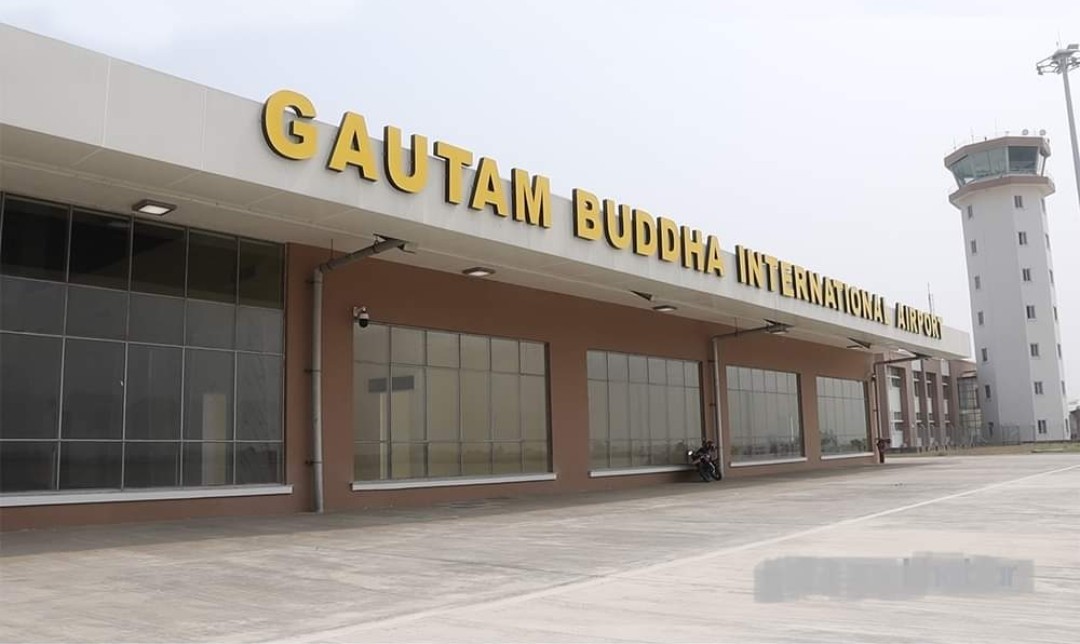
The policy’s focus on diplomatic efforts to increase international flights at Gautam Buddha International Airport and Pokhara International Airport is highly encouraging. Similarly, the introduction of digital visa systems, e-gate technology, and online immigration services will make travel more convenient and efficient for visitors. The government’s initiative to develop an integrated and digital tourism service system is a step toward positioning Nepal as a modern tourism destination.
One-Stop Digital Tourism System and Tourism Board Reform
The plan to implement a one-stop digital tourism system is particularly significant, as it integrates visa processing, ticketing, permits, and other services, ensuring a seamless experience for tourists. The government has also stated that Nepal Tourism Board will be restructured under a public–private partnership (PPP) model to make it more innovative, dynamic, and result-oriented. In addition, new tourism destinations in Karnali, Sudurpaschim, Madhesh, and Koshi provinces will be given special priority, with a focus on developing a strong tourism ecosystem.
Mountain Tourism Safety and Rescue Enhancement
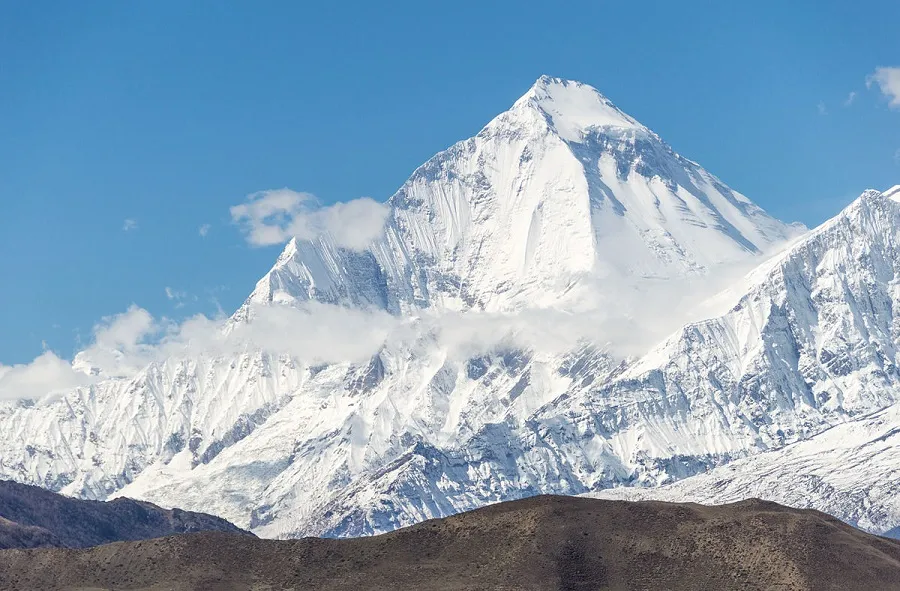
Strengthening safety, search, and rescue systems in mountain tourism through modern technology has also been announced as a key policy priority. This will significantly enhance safety standards for adventure and high-altitude tourism.
Devbhoomi Nepal and Spiritual Tourism Promotion
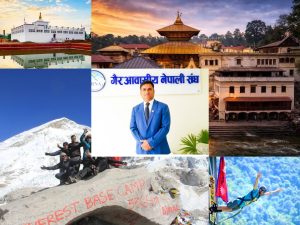
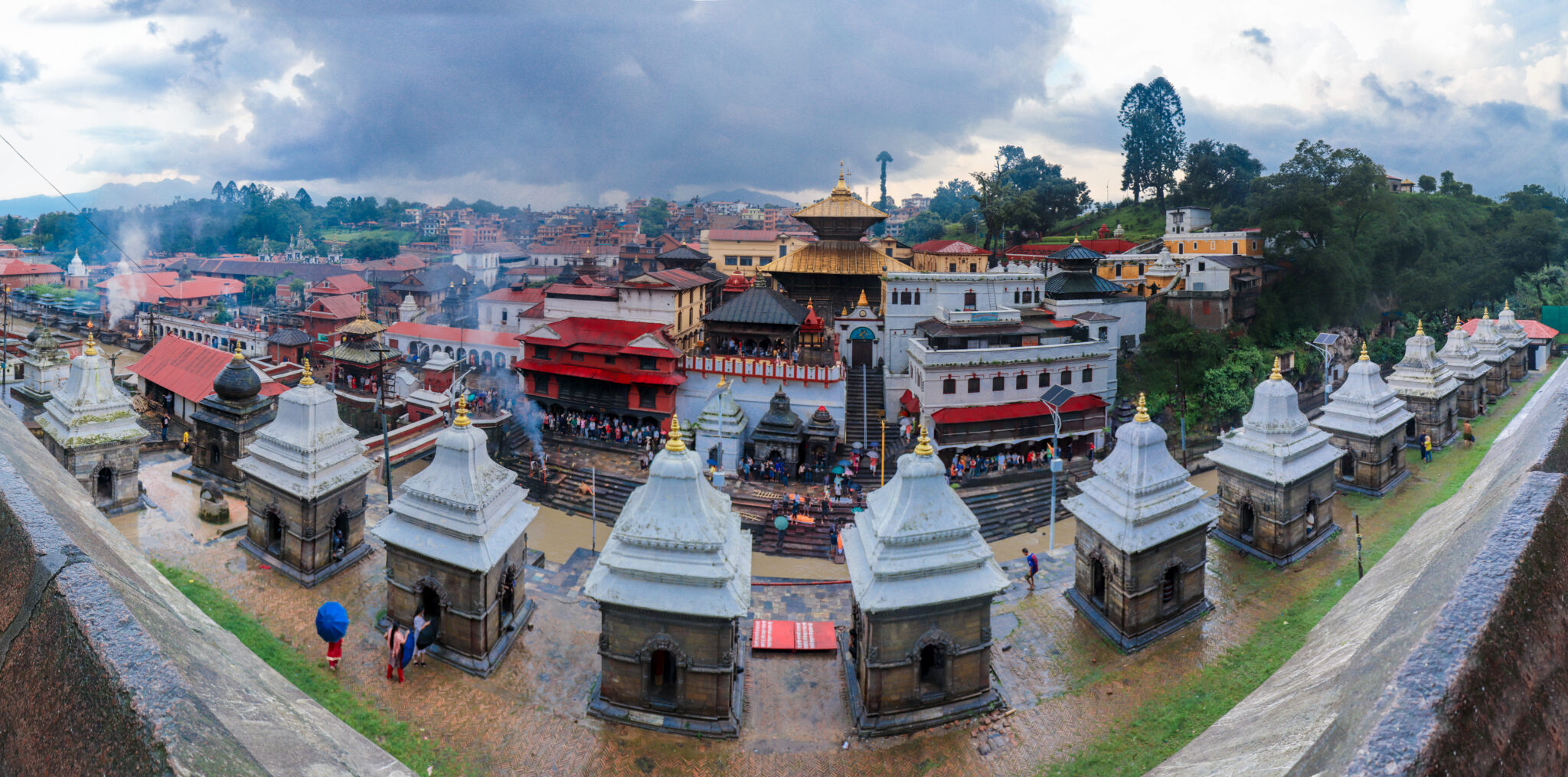
The government’s initiative to develop Nepal as a global spiritual tourism hub under the “Devbhoomi Nepal” campaign is highly important. Promoting religious destinations such as Pashupatinath Temple, Lumbini, Janakpurdham, and Muktinath Temple will further strengthen Nepal’s position in the global religious tourism market. Along with this, the expansion of yoga, meditation, wellness, educational, and retirement tourism will help position Nepal as a multi-dimensional tourism destination.
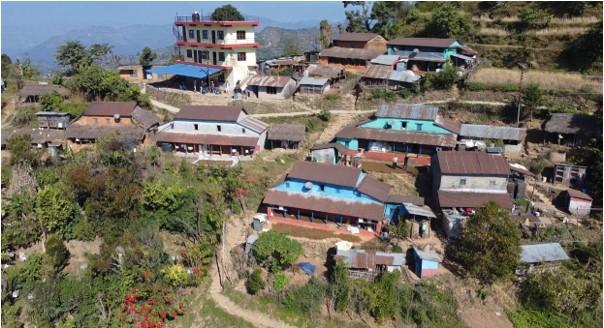
Rural Tourism and Homestay Promotion
Special emphasis has been placed on rural tourism through the promotion of homestays. By linking local art, culture, and traditions with tourism, the policy aims to enhance the income and employment opportunities of marginalized and Dalit communities. The plan to brand and digitally connect around five thousand new homestays under “Nepal Homestay” will help rural tourism become more competitive at the international level.
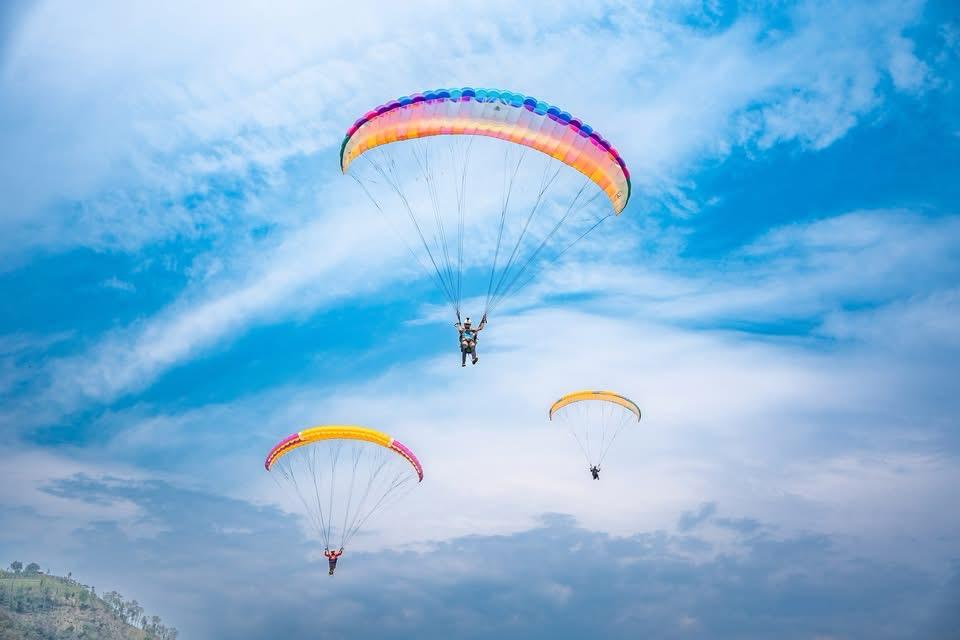
Expanding Adventure and Eco-Tourism
The policy also envisions developing Nepal as a world-class adventure tourism destination. Activities such as mountaineering, trekking, rafting, paragliding, bungee jumping, and skydiving will be expanded with proper infrastructure, safety standards, and international promotion. Additionally, eco-tourism based on nature, culture, and community participation will further strengthen sustainable tourism development.
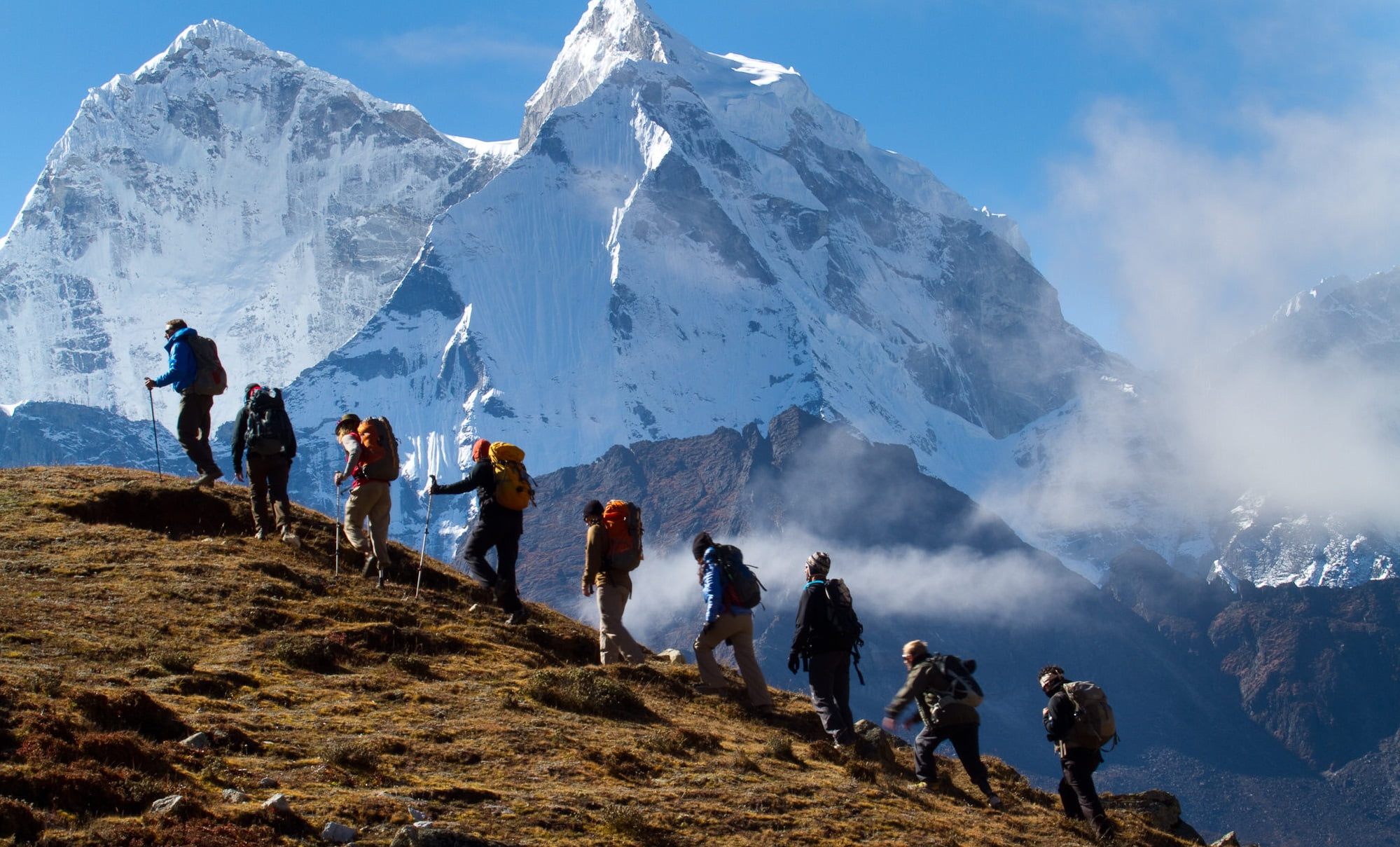
Regional Tourism Development and New Trekking Routes
The focus on developing new tourist destinations in Karnali, Sudurpaschim, Madhesh, and Koshi provinces reflects a commitment to regional balance in tourism growth. The plan to identify and develop at least ten new trekking routes across the Himalayan, mid-hill, and Terai regions is also a noteworthy initiative that will contribute to both domestic and international tourism expansion.
Collaboration for Sustainable Tourism Growth
Overall, the Policy and Program for Fiscal Year 2083/84 provides a clear direction toward establishing Nepal as a global center for tourism, culture, and spirituality. Through infrastructure development, digital transformation, community participation, and international promotion, Nepal aims to become a sustainable and competitive tourism destination. Effective implementation will require strong collaboration between the government, the private sector, and the Non-Resident Nepali community.
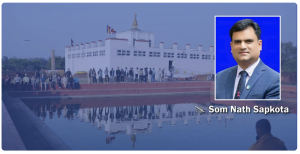
Written By: Som Nath Sapkota (Spokesperson, NRNA; Chair, Tourism Promotion Committee, NRNA)
Source : tourisminfonepal