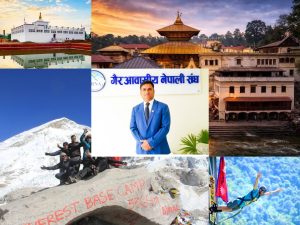
The towering Himalayas may be our most famous icons, but Nepal’s true magic lies in the harmony of its landscapes, its people, and its deep-rooted culture. It is in the warm smiles of villagers, in the rhythm of devotional bells at temples, in the fragrance of incense drifting through bustling alleys. Nepal offers something unique: a chance to connect, not just with nature or heritage, but with oneself.
The possibilities for tourism in Nepal are immense and deeply diverse. Where else in the world can one trek to the base of the world’s highest peak and, within a day or two, witness wild rhinos and tigers in the jungle? From the vibrant chaos of Kathmandu’s ancient durbar squares to the serene lakes of Pokhara, the wild beauty of Rara to the sacred calm of Lumbini, Nepal offers experiences that touch the soul.
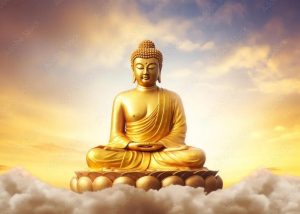
For the spiritual traveler, Nepal is a sanctuary. As the birthplace of Lord Buddha and the home of countless Hindu deities, the country radiates faith and sacredness. Festivals, temples, monasteries, and cultural rituals offer glimpses into traditions that have been passed down for centuries. And for the adventure seeker, the country is a playground. Trekking, mountaineering, rafting, paragliding, every activity here comes with a backdrop of breathtaking beauty.
Nepal: More Than a Destination, a Life-Changing Journey
Yet, it is not just the landscapes or heritage that make tourism in Nepal powerful. It is the people. The homestays run by mothers in remote villages, the guides who treat tourists like family, the local craftspeople who keep ancient art alive, they form the real heart of Nepali tourism.
As travelers increasingly seek authenticity, Nepal has a rare gift to offer: a raw, unfiltered experience of life, culture, and nature. In recent years, community-based tourism has quietly transformed small villages, allowing locals, especially women and youth, to take charge of their economic futures. With the right support, these grassroots models can grow into a national strength. They can ensure tourism reaches every corner of Nepal, not just the well-known circuits.
But despite these remarkable strengths, Nepal’s tourism journey is not without hurdles. As someone who travels frequently, both within Nepal and abroad, I have witnessed how infrastructure, or the lack of it, becomes a barrier. Many beautiful places remain out of reach due to poor roads, limited transportation, and a lack of basic facilities.
A traveler’s enthusiasm quickly fades when faced with bumpy rides, long delays, and unreliable services. Even in major tourist destinations, issues like waste management, public restrooms, and medical support are either underdeveloped or missing. Our domestic airports, while improving, still need significant upgrades in technology, safety, and service standards. It is not just about building airports and roads; it’s about building trust in the travel experience.
Air connectivity is another pain point. International flights to Nepal remain limited and expensive. While Gautam Buddha International Airport and Pokhara International Airport were major milestones, they are yet to operate at full capacity. Many international airlines hesitate to expand routes to Nepal due to inconsistent traffic and a lack of a clear policy. Even domestic flights are often unpredictable and costly, discouraging both international and local tourists from exploring the remote wonders of our nation. Nepal must not only invite the world in but also make sure that once they arrive, they can move easily and safely within the country.
Safety is another concern we must address with seriousness and transparency. Over the years, tragic air accidents and weak emergency response systems have damaged Nepal’s tourism image. While our geography is undeniably challenging, there is no substitute for strong training, strict regulations, and investment in modern aviation technology. Every time a traveler boards a plane in Nepal, they should do so with full confidence, not with silent anxiety. Building this trust is essential for long-term tourism growth.
Another area we must urgently work on is policy clarity and coordination. Too often, tourism plans are stuck in red tape or passed around among disconnected agencies. Entrepreneurs, both local and from abroad, often lose hope due to delays in approvals, shifting rules, and unclear incentives. We need a single, tourism-friendly system where planning, investment, and operation can move forward efficiently. A committed, empowered body that unites the government, private sector, and diaspora energy is essential to move from vision to action.
And then there’s the elephant in the room, our weak digital presence. In today’s digital world, travelers don’t just buy tickets, they buy stories. They get inspired by what they see on YouTube, Instagram, and travel blogs. Unfortunately, Nepal still lags far behind in global visibility. Our breathtaking scenery and rich culture are not being showcased as they should be. A traveler in Germany or Japan may not even know that there’s a pristine lake in Rara or a wildlife sanctuary in Bardiya. Our digital marketing is fragmented, outdated, or completely absent. We must modernize how we present Nepal to the world.
This is where the Non-Resident Nepali Association (NRNA) can play a transformative role. As someone deeply involved in the global diaspora network, I have seen the pride with which Nepalis living abroad talk about their motherland. We have doctors, engineers, artists, influencers, and business leaders, all eager to contribute. Imagine if we could channel this global love into a structured tourism movement. NRNA chapters around the world can serve as mini-embassies of Nepal’s tourism, organizing expos, screening documentaries, building partnerships, and encouraging diaspora travel.
Nepal Must Rise Now: Tourism Cannot Wait for Tomorrow
And we, the children of this soil living abroad, can return not only to visit, but to invest, guide, and build. Diaspora tourism itself is a growing trend. Many second-generation Nepalis, born and raised abroad, want to understand their roots. With tailored experiences, from family village tours to Buddhist retreats, we can help them rediscover Nepal in their way. And when they do, they don’t come alone, they bring friends, stories, and support. Their journey becomes our promotion.
Of course, tourism is not just about attracting numbers; it is about managing them. Sustainability must be at the core of our strategy. Our mountains, forests, and temples are not limitless resources. Without responsible tourism, we risk damaging the very treasures we are trying to showcase. We must educate both visitors and hosts, promote green practices, and invest in conservation. This is not just an environmental duty; it is a promise to the future generations of Nepal.
Looking ahead, I am filled with hope, but also urgency. We have what the world is searching for: authenticity, peace, adventure, and beauty. But potential is not enough. We must act smartly, inclusively, and boldly. We need roads that lead not just to places, but to prosperity. We need policies that empower, not confuse. We need digital tools that amplify our stories. And above all, we need unity across borders, across sectors, and generations.
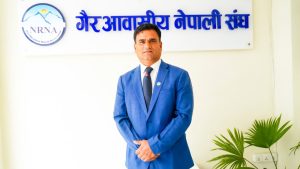
As Chair of the Nepal Tourism Promotion Committee under NRNA ICC, I commit to working tirelessly toward this vision. I call on every Nepali, at home or abroad, to believe in this dream and contribute in whatever way they can. Let us not wait for change. Let us be the change. Let us tell the world that Nepal is ready to welcome, inspire, and rise. Nepal is not just a destination. It is a life-changing journey. Let’s make that journey unforgettable.
Written By: Som Nath Sapkota (Entrepreneur, Tourism Promoter, and Deputy General Secretary – NRNA ICC)