Karnali Through the Lens of the Indian Tourism Market and Diaspora: Exploring Opportunities Amid Challenges
Located in Nepal’s north-western Himalayan region, Karnali Province is the country’s largest province by area. Despite being rich in natural beauty, cultural heritage, and historical significance, it has long remained underrepresented in mainstream tourism development. Spanning around 28,000 square kilometers, Karnali is a unique cultural mosaic of Khas-Arya, Magar, Dalit, and Himalayan Bhote–Lama communities. The Sinja Valley is recognized as the origin of the Nepali language and the historic center of the Khas civilization, strongly linking Karnali to Nepal’s national identity.
Alongside agriculture, livestock, and remittance-based livelihoods, Karnali is rich in valuable medicinal herbs such as Yarsagumba, Jatamasi, Kutki, Panchaule, and Timur. These resources position the region as a future hub for organic and pharmaceutical-based industries.
A Treasure of Potential: Natural Wonders of Karnali
The true economic transformation of Karnali lies in its vast untapped tourism potential. Cultural and religious landmarks such as the 12th-century Kakrebihar in Birendranagar, the Deuti Bajai Temple, and the Bulbule Lake, along with the historic Panchakoshi pilgrimage site in Dailekh, highlight the region’s spiritual and cultural importance.
For adventure and nature tourism, Karnali offers extraordinary destinations. Pachal Waterfall in Kalikot, Rara Lake in Mugu, Shey-Phoksundo Lake in Dolpa, Syarpu Lake in Western Rukum, and Kupidanda Lake in Salyan represent some of Nepal’s most stunning natural attractions. Further north, the Limi Valley in Humla and the route to Mount Kailash–Manasarovar enhance Karnali’s global significance as a gateway for spiritual and adventure tourism.
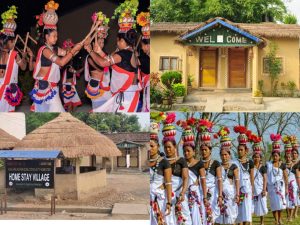
Despite these world-class attractions, the province continues to face challenges such as poor infrastructure, limited road and air connectivity, lack of quality hospitality services, weak digital promotion, and shortage of skilled tourism manpower. However, global tourism trends show increasing demand for off-the-beaten-path, authentic, and peaceful destinations, creating a strong opportunity for Karnali. Community-based tourism, homestays, organic lifestyle experiences, and Karnali River rafting are emerging as promising avenues for growth.
Historic Karnali Tourism Meet Held in Birendranagar
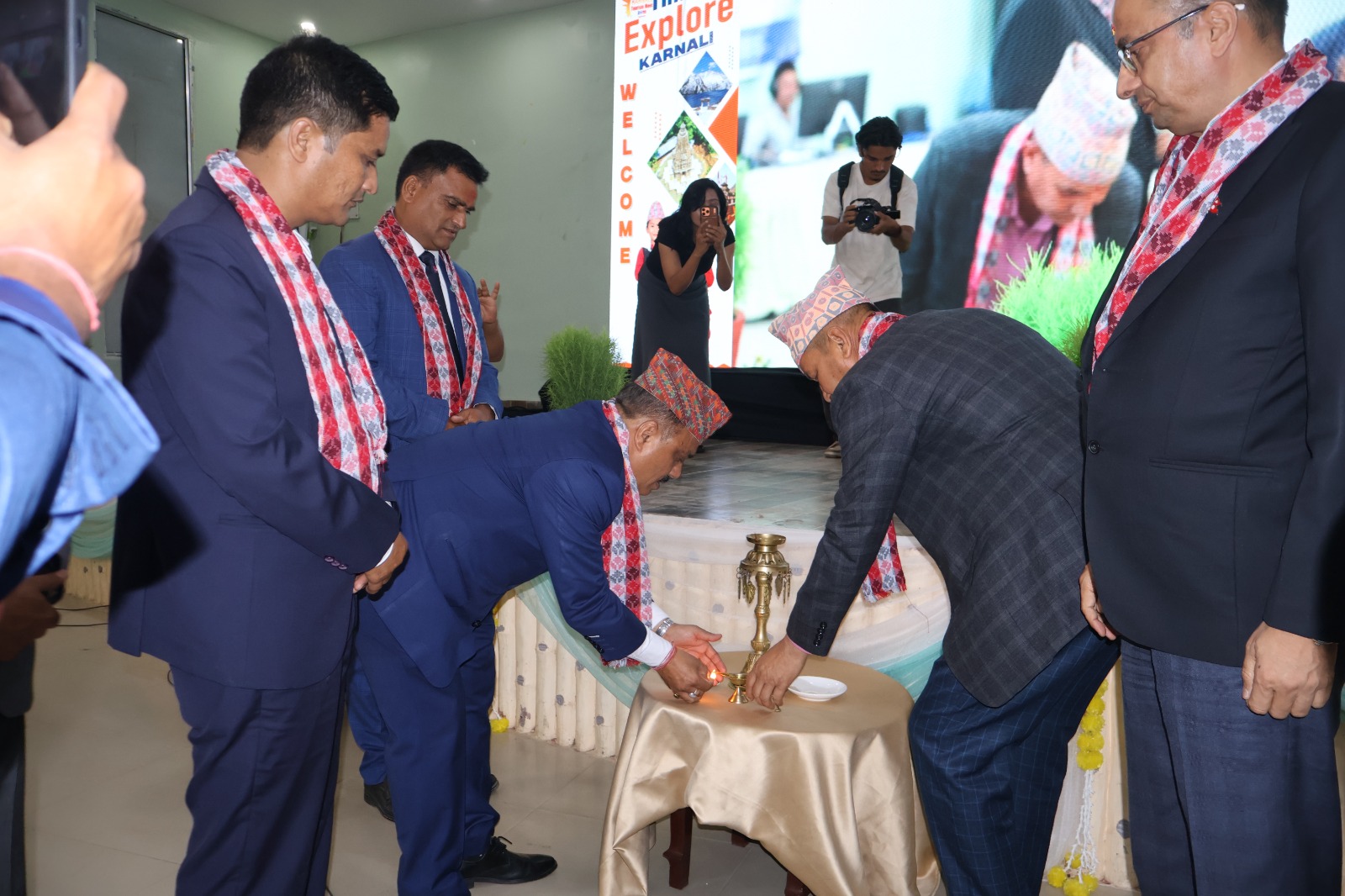
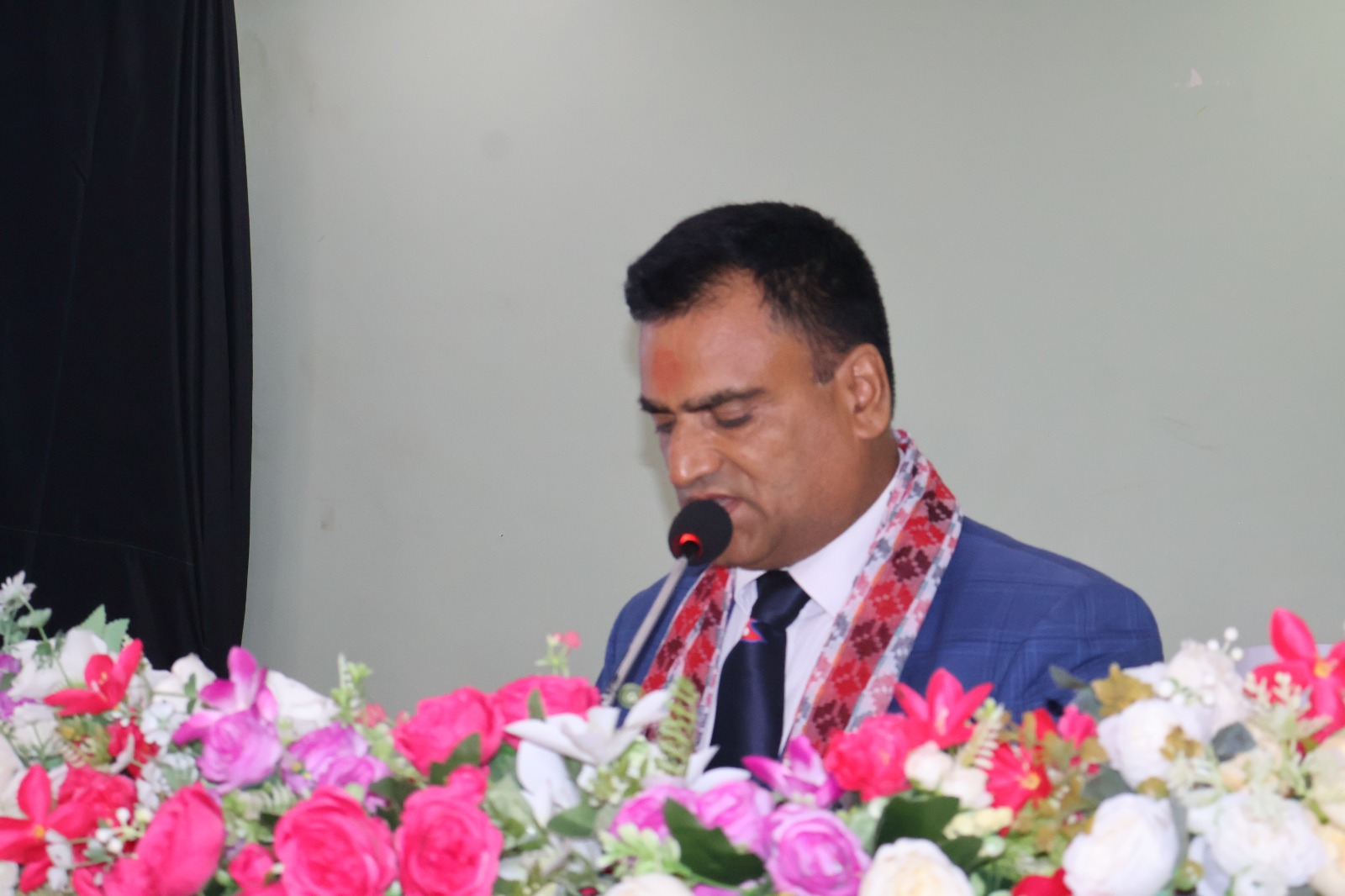
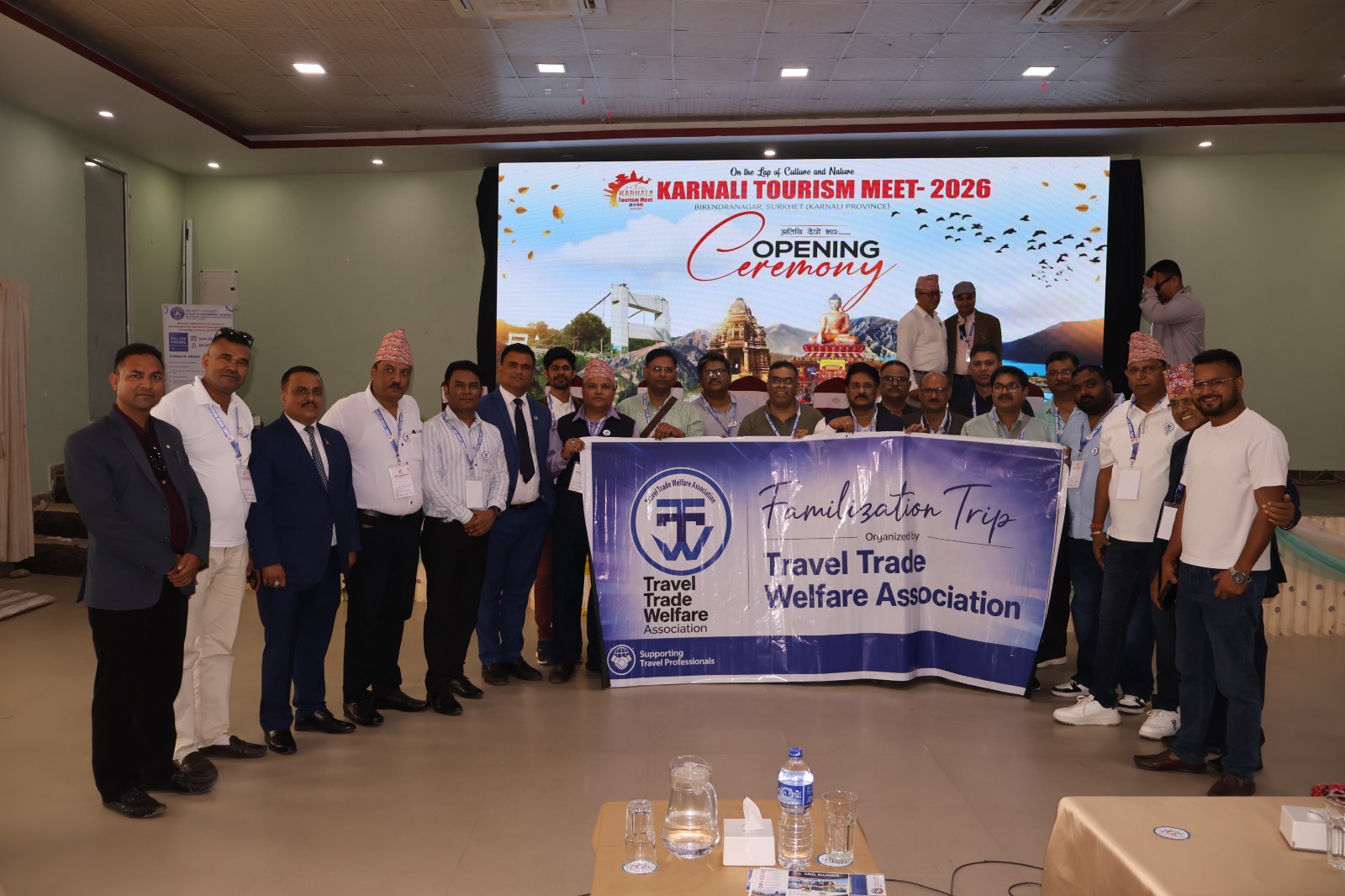
To position the province on the global tourism map, the “First Karnali Tourism Meet” was successfully held in Birendranagar from May 22–24, 2026 (Jestha 8–10, 2083 BS). The event was jointly organized by the Nepal Tourism Board and Birendranagar Municipality, with coordination from the Hotel Entrepreneurs Federation Karnali Province.
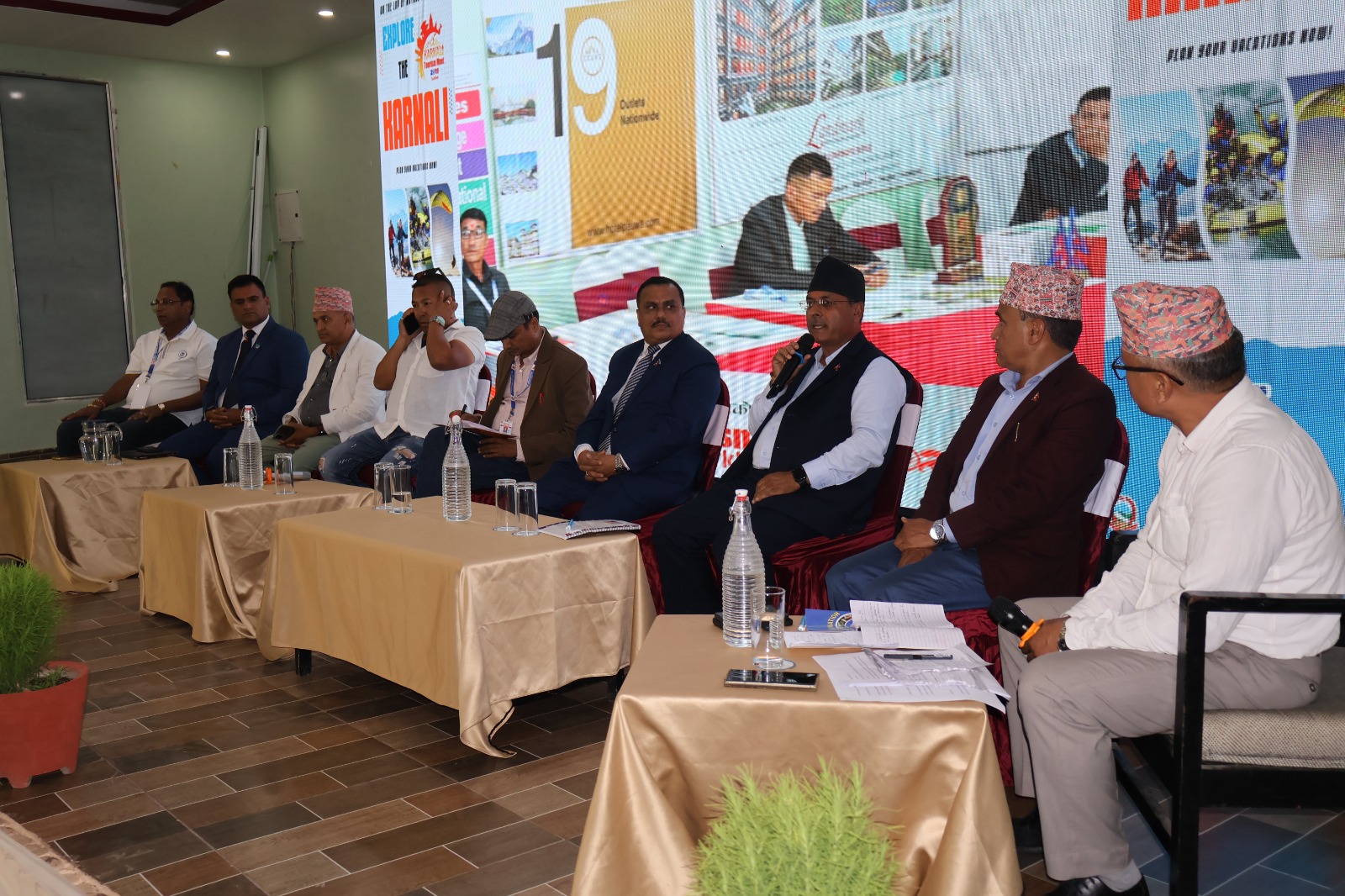
The conference brought together more than 50 tourism entrepreneurs, journalists, travel bloggers, and influencers from Delhi, Uttar Pradesh, and Uttarakhand, India. A high-level delegation from the Travel Trade Welfare Organization (TTWO) India, led by Chairman Rajesh Singh, participated in the event and expressed commitment to promoting cross-border tourism between India and Karnali’s spiritual and natural destinations.
Participants also visited key heritage sites including Nabhisthan, Shirsthan eternal flames of Dailekh, and Gurans Hill Station, experiencing its authentic hospitality firsthand.
Nepal Tourism Board’s Commitment and New Initiatives
The Nepal Tourism Board announced its commitment to organizing more promotional programs, international campaigns, and partnership-based initiatives to strengthen its visibility in both national and international tourism markets.
Officiating Chief Executive Officer (Officiating CEO) of the Nepal Tourism Board, Hikmat Singh Ayer, stated that the First Karnali Tourism Meet was successfully concluded and played an important role in introducing the province to national and international tourism audiences. He emphasized that the Board would continue supporting promotional activities and expanding programs to enhance its global reach.
“Colourful Karnali” and “Promotion Year 2084” Initiative
 One of the key highlights of the conference was the discussion on launching the “Colourful Karnali” campaign. This initiative aims to integrate its cultural diversity, natural beauty, and local products into a unified branding strategy for national and international markets.
Building on this vision, stakeholders also agreed to observe the upcoming year as “Karnali Promotion Year 2084,” aimed at boosting long-term tourism branding and global visibility. The event showcased traditional cultural performances such as Deuda and Hudke, along with authentic local cuisine, reflecting its rich hospitality.
A B2B networking session was also conducted between Nepali and Indian tourism entrepreneurs. A technical session titled “Karnali Tourism: Challenges and Opportunities” discussed infrastructure gaps, air and road connectivity, hospitality development, digital marketing, and adventure tourism prospects.
NRNA Solidarity: Preparing for Diaspora Investment Summit
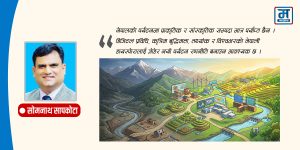
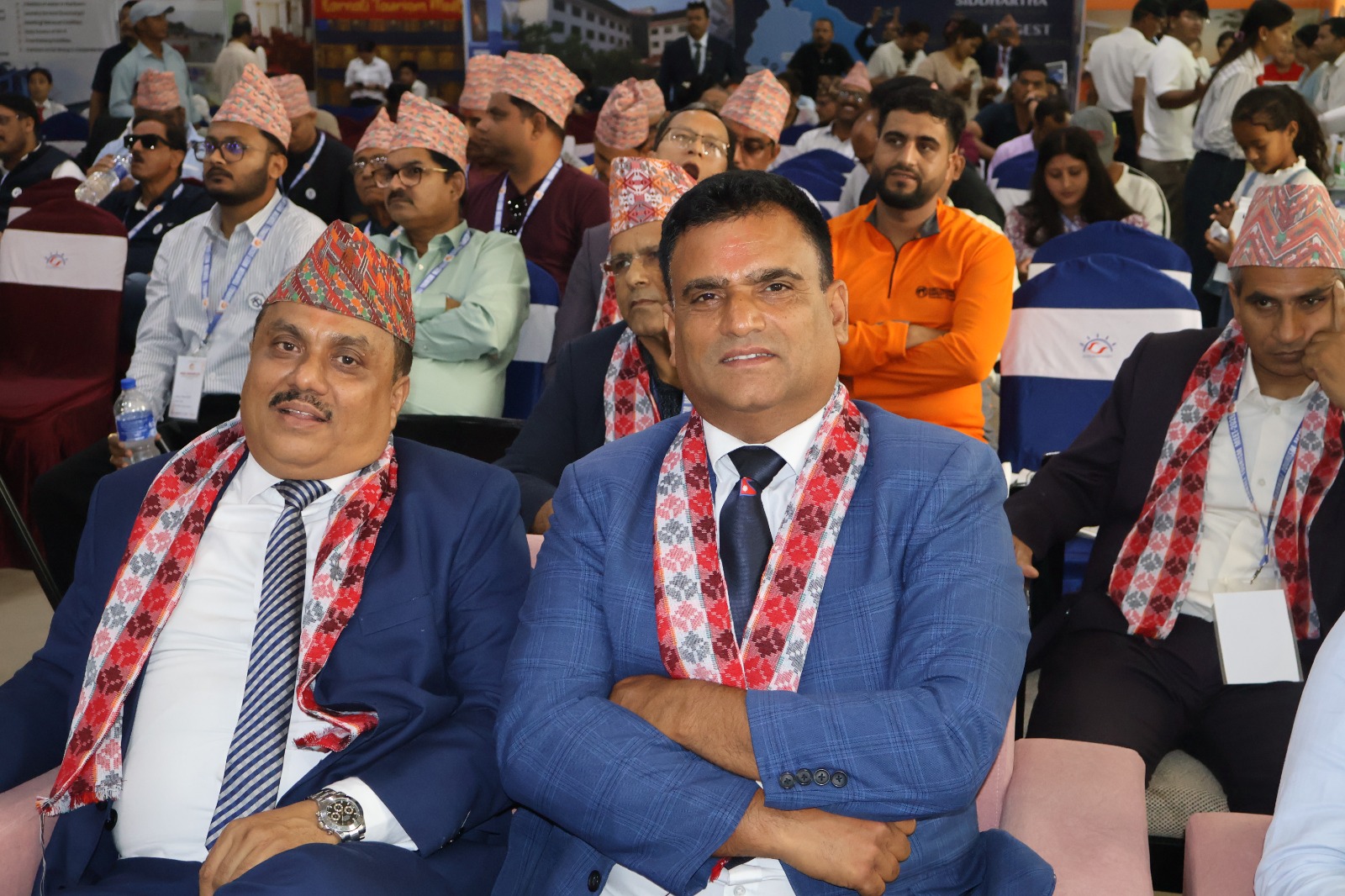
Another major outcome of the conference was the active engagement of the Non-Resident Nepali Association (NRNA). Som Nath Sapkota, spokesperson and Chair of the Tourism Promotion Committee of NRNA, emphasized mobilizing diaspora capital, expertise, and global networks for its economic transformation.
He proposed organizing a dedicated “Diaspora Investment Summit” to attract investment in hydropower, luxury resorts, mountain aviation services, and organic herbal industries. He noted strong interest among global Nepali communities to actively participate in its development.
White Paper on Tourism and Investment
 The conference also discussed preparing a comprehensive “White Paper on Karnali’s Tourism and Investment Opportunities.” This document will systematically map Karnali’s natural, cultural, and tourism assets while providing policy recommendations to attract foreign and diaspora investment by addressing legal and administrative barriers.
The provincial government has also expressed commitment to introducing tourism-friendly policies such as tax incentives, long-term land leasing for resorts, and a one-window service system to simplify administrative processes. Through public–private partnerships (PPP) and Special Economic Zone (SEZ) concepts, the province aims to position itself as a future international tourism and investment hub.
Karnali is not merely a landscape of mountains, lakes, and waterfalls, it is a living museum of Nepali civilization, culture, and Himalayan heritage. With sustainable tourism, strategic investment, diaspora engagement, and international collaboration, the province is steadily moving toward becoming a globally recognized tourism destination. Challenges remain, but opportunities are far greater. What Karnali now needs is visionary leadership, coordinated planning, and collective commitment. The region is no longer waiting, it is stepping forward into a new journey of possibilities.
Source: tourisminfonepal
Related Article