Amaltari, Nawalpur: Discover Nepal’s Hidden Blend of Wildlife, Culture and Riverside Beauty
From Tharu and Bote heritage and community homestays to the Narayani River and the wilderness of Chitwan, Amaltari offers an authentic Terai experience and emerging potential as a connecting destination within Nepal’s Silver Triangle tourism circuit.
Your Gateway to an Authentic Terai Experience
Imagine waking up to the sounds of birds, watching the first light spread across the Narayani River, discovering the traditions of the Tharu and Bote communities, and ending the day surrounded by the natural beauty of Nepal’s Terai. In Amaltari, these experiences come together in a destination that encourages visitors to slow down, explore the landscape, and connect with local communities.
Located in Kawasoti Municipality–15 of Nawalpur District in Gandaki Province, near the western side of Chitwan National Park, Amaltari offers an appealing alternative to Nepal’s better-known mountain and urban destinations. The area can suit families seeking a peaceful holiday, wildlife enthusiasts looking for nature experiences, cultural travellers interested in indigenous communities, and visitors simply searching for a quiet escape surrounded by rivers, forests and rural landscapes.
From community homestays and Tharu cultural experiences to wildlife excursions, riverside scenery and nature-focused accommodation such as Tiger Tops Tharu Lodge, Amaltari provides several reasons to explore a less familiar side of Nepal. Its community-based tourism potential is particularly significant because tourism spending can reach local households, guides, artisans, farmers and small businesses while allowing visitors to experience the destination through local perspectives.
Amaltari’s location also creates an opportunity to connect its cultural and natural attractions with the wider tourism circuit linking Chitwan, Lumbini and Pokhara, the destinations at the heart of Nepal’s emerging Silver Triangle concept. By adding Amaltari to this route, visitors can extend their journey beyond conventional sightseeing and experience the Terai’s indigenous cultures, wildlife, river landscapes and community-based tourism.

The Narayani River: A Natural Attraction
The Narayani River is one of the defining features of Amaltari and adds a distinctive character to the destination. Its broad waters, green riverbanks and surrounding landscapes create an attractive setting for visitors interested in nature, photography, birdwatching and quiet moments away from busy tourist centres.
Early mornings and late afternoons can be particularly appealing along the riverside, when changing light creates opportunities for landscape photography and peaceful walks. Depending on the season, weather conditions and local safety arrangements, visitors may also be able to participate in river excursions or boating through authorised local providers.
Beyond its scenic value, the Narayani is closely connected to the lives and traditions of communities living along its banks. The river therefore represents more than a natural attraction; it is also part of the cultural and economic identity of the area.
Tharu Culture: A Living Heritage
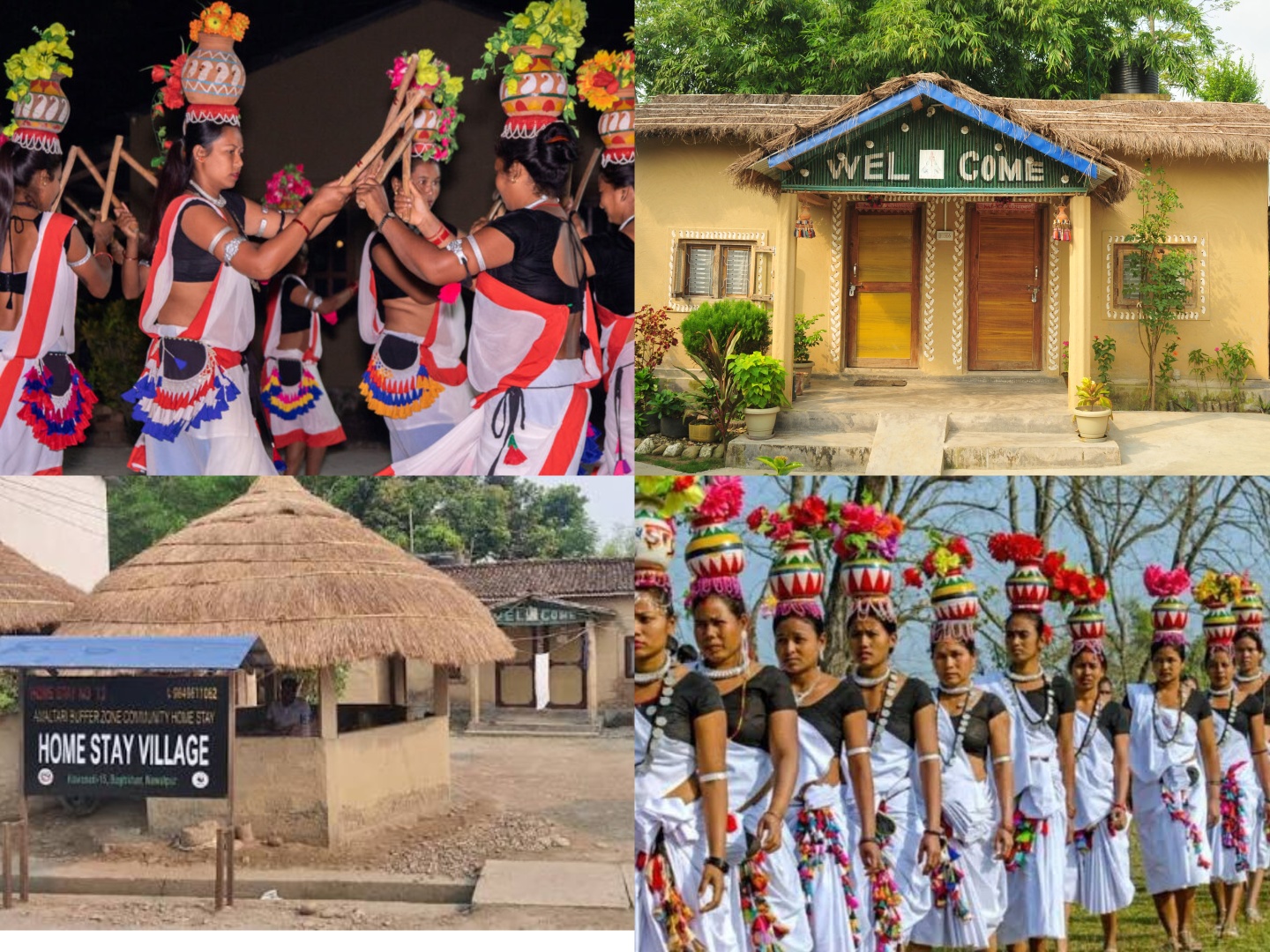
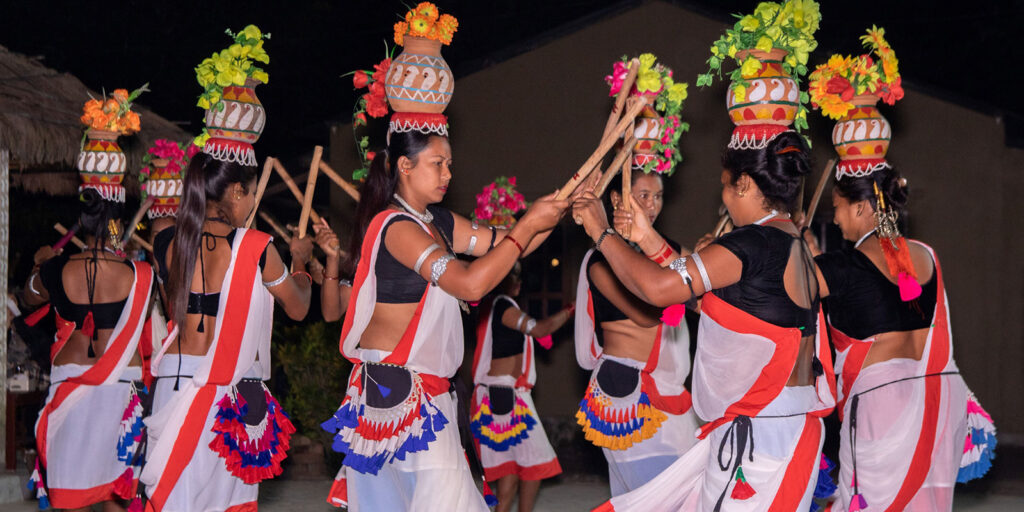
Tharu traditions form an important part of Amaltari’s cultural identity. Visitors can learn about traditional architecture, farming practices, festivals, music, food and everyday community life through locally organised cultural experiences.
Traditional dances, distinctive clothing, handicrafts and local foods such as dhikri offer visitors an opportunity to understand the cultural richness of the Tharu community. Depending on availability, local hosts may also organise cooking demonstrations, cultural performances and village-based activities that allow visitors to experience traditions beyond conventional sightseeing.
The growing interest in cultural tourism provides an opportunity to preserve and promote these traditions while creating additional sources of income for communities. Such experiences, however, are most meaningful when they are organised respectfully, with local participation and with fair benefits reaching the people whose culture is being shared.
Bote Culture and River Traditions
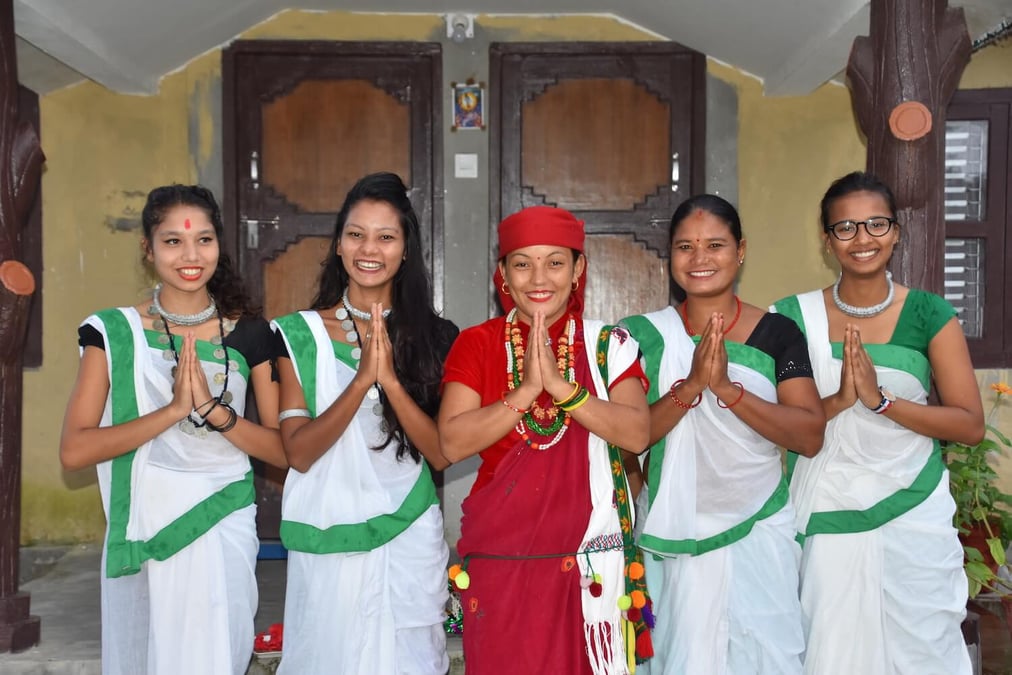
The Bote community has a longstanding relationship with the Narayani River, with traditional livelihoods and knowledge closely connected to the river environment. Their experiences offer another important dimension of Amaltari’s cultural landscape and provide visitors with an opportunity to understand the relationship between indigenous communities and natural resources.
Through village visits and conversations with community members, travellers can learn about traditional fishing practices, river-based livelihoods and local environmental knowledge. Community-led interpretation can help visitors appreciate these traditions while ensuring that tourism contributes directly to local households. Promoting Bote heritage alongside Tharu culture can also help create a more complete cultural tourism experience in Amaltari, presenting the destination as a place where nature and indigenous traditions remain closely interconnected.
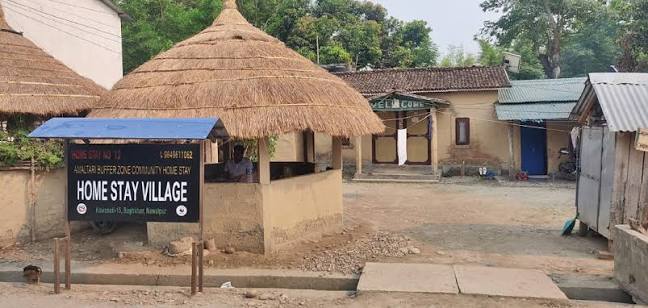
Amaltari Community Homestay
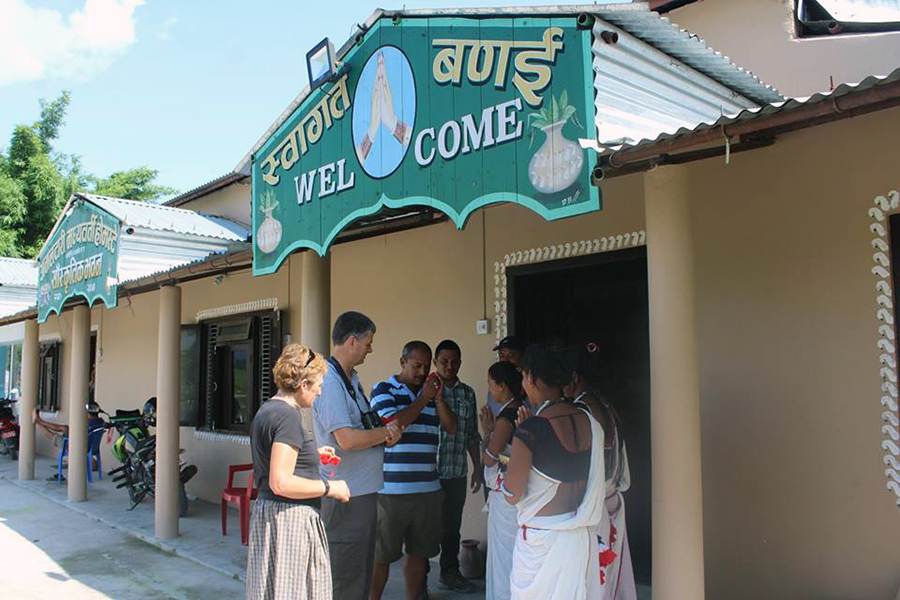
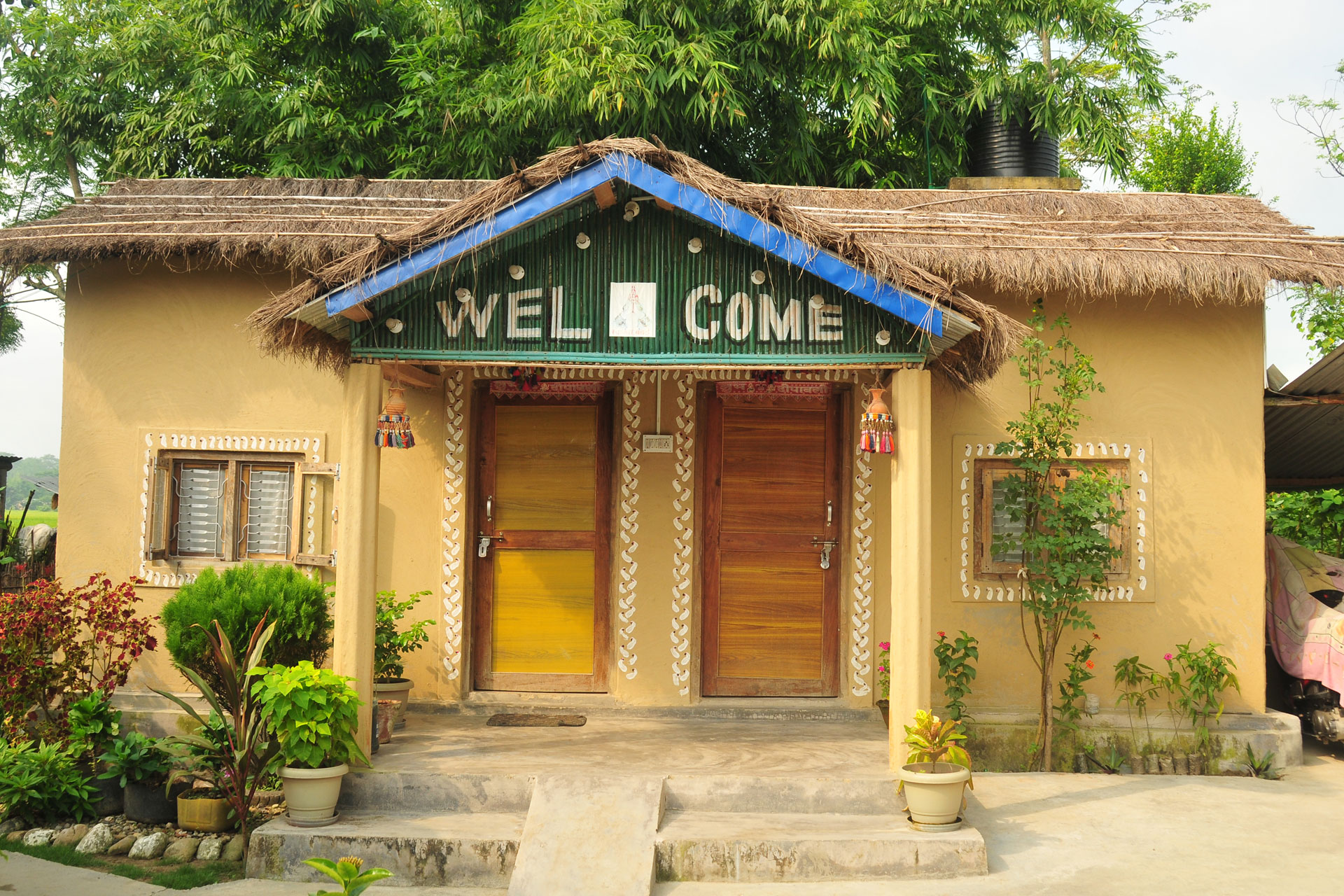
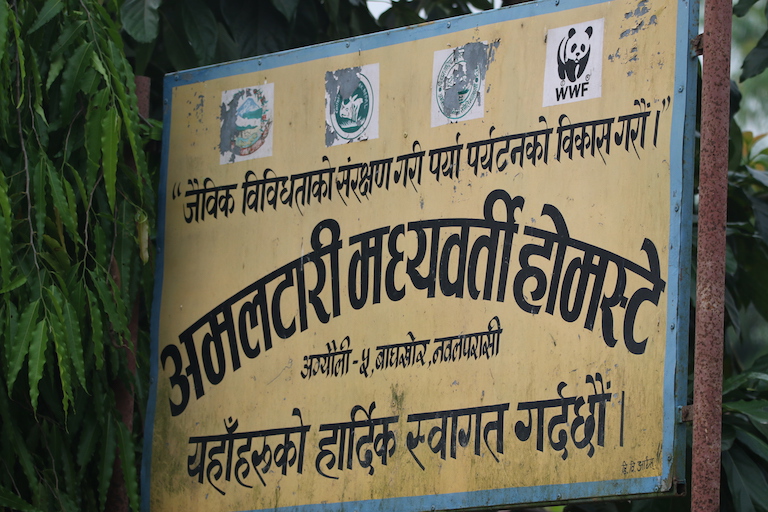
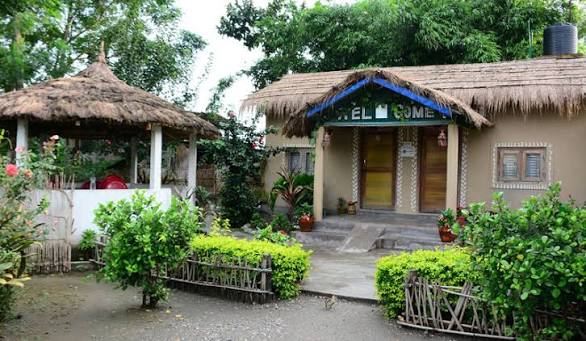
Community homestays provide one of the most direct ways for visitors to experience everyday life in Amaltari. Rather than staying only in conventional accommodation, travellers can live with local families, enjoy home-cooked meals and learn about village life through personal interaction.
For communities, homestays can provide an additional source of household income while encouraging the preservation of local food, architecture, customs and hospitality traditions. For visitors, the experience can be more personal and meaningful than a conventional hotel stay. As community-based tourism grows, Amaltari has an opportunity to develop homestays as part of a broader destination strategy that connects accommodation with cultural programmes, village walks, local food experiences and nature-based activities.
Tiger Tops Tharu Lodge: Nature and Comfort
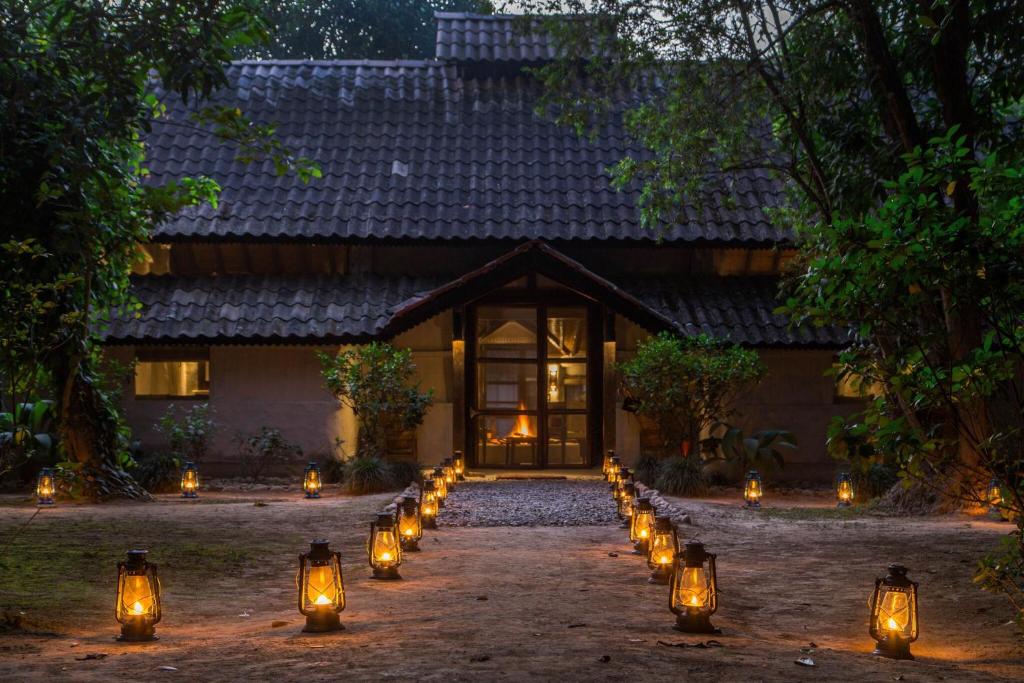
Tiger Tops Tharu Lodge is a recognised accommodation option associated with nature and cultural tourism in the Amaltari area. Its setting and Tharu-inspired character provide visitors with a base from which to explore the surrounding natural and cultural landscape.
Depending on the programmes available at the time of visit, guests may be able to arrange guided wildlife excursions, naturalist-led walks, birdwatching and conservation-oriented activities. Such experiences can provide visitors with a deeper understanding of the Terai ecosystem and the importance of protecting its biodiversity. Travellers should confirm current programmes, prices, availability and booking arrangements directly with the accommodation provider before planning their visit.
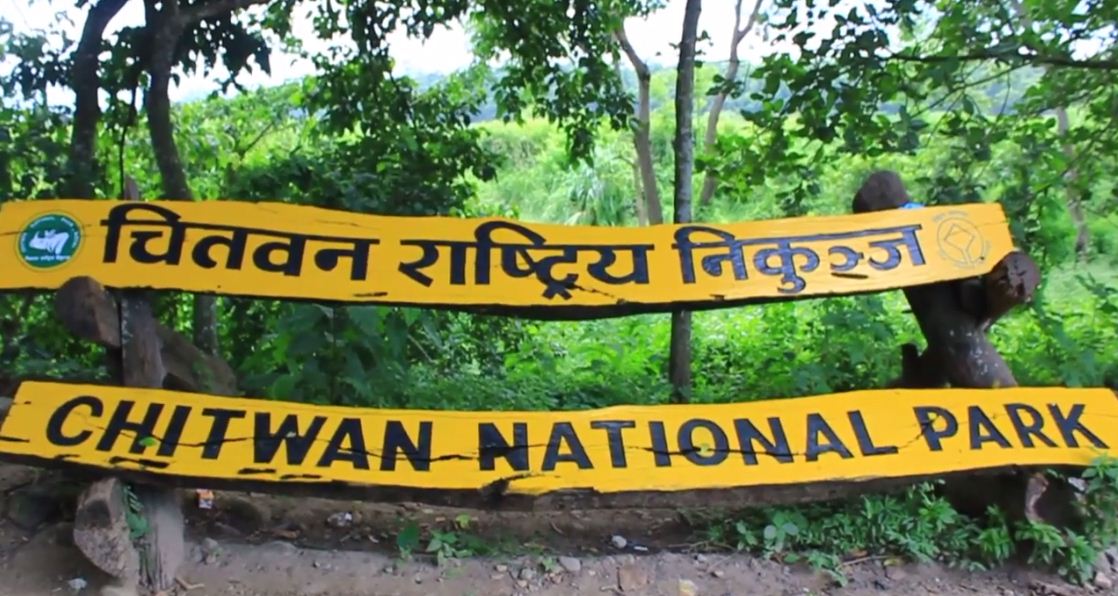
Wildlife and Chitwan National Park
Amaltari’s proximity to Chitwan National Park gives the destination an important connection to one of Nepal’s most significant wildlife landscapes. The wider region is known for its biodiversity and provides opportunities to experience the Terai’s forests, wetlands, grasslands and wildlife habitats.
Authorised operators may offer jeep safaris, guided nature walks and wildlife observation experiences. Visitors may encounter one-horned rhinoceroses, deer, crocodiles and numerous species of birds, while the region is also recognised as important habitat for Bengal tigers. Wildlife sightings, however, can never be guaranteed, making the broader experience of exploring the ecosystem just as important as seeing individual animals.
Experienced guides and naturalists can help visitors understand animal behaviour, habitats and conservation challenges. Responsible tourism is essential, and all wildlife activities should follow national park regulations, safety requirements and local conservation guidelines.
Outdoor Recreation
Amaltari is not limited to organised wildlife activities. Visitors can also explore the surrounding countryside through cycling, guided village walks and short nature excursions. The rural landscape provides opportunities for photography, birdwatching and relaxed exploration away from more crowded tourist destinations.
Simple experiences such as walking through villages, observing agricultural activities or enjoying a picnic at an authorised location can provide visitors with a different perspective on the Terai. These activities also offer opportunities to interact with local communities and discover everyday life beyond conventional tourism attractions. Visitors should respect private property, follow local guidance, avoid disturbing wildlife and carry their rubbish with them. Responsible behaviour is essential to maintaining the natural and cultural character that makes Amaltari attractive.
Cultural Workshops and Educational Visits
Hands-on cultural activities can make a visit to Amaltari more meaningful by allowing travellers to move beyond observation and engage directly with local traditions. Depending on availability, activities may include traditional cooking, handicraft demonstrations, farm visits and community storytelling.
Educational groups can also use Amaltari as a destination for learning about indigenous heritage, biodiversity and sustainable tourism. Students can explore the relationship between communities and their natural environment while gaining a practical understanding of conservation and responsible tourism. Purchasing locally produced handicrafts, food products and other goods directly from artisans and producers can further strengthen the local tourism economy. Such spending can help preserve traditional skills while creating opportunities for small businesses and community entrepreneurs.

Relaxation and Group Retreats
Amaltari’s relatively peaceful environment makes it suitable not only for adventure and cultural tourism but also for relaxation. Families, small groups and travellers looking for a slower holiday can spend time beside the river, enjoy local meals and explore the surrounding countryside at an unhurried pace.
Some accommodation providers may also offer yoga, meditation or wellness-related activities, depending on their facilities and programmes. The combination of natural surroundings, fresh air, riverside landscapes and cultural experiences can provide an attractive setting for visitors seeking a break from urban routines.
Photography retreats, educational gatherings and small corporate programmes could also be developed where appropriate facilities and advance arrangements are available. Such products could help diversify Amaltari’s tourism market beyond conventional wildlife tourism.
Hotels, Resorts and Accommodation
Amaltari and the wider Nawalpur region offer a variety of accommodation options, ranging from community homestays to nature-focused lodges and resorts. These properties serve different visitors, from travellers seeking an authentic community experience to those looking for greater comfort and organised nature activities. Tiger Tops Tharu Lodge offers a nature-oriented accommodation experience tied to cultural and wildlife tourism, while Amaltari Community Homestay lets visitorsexperience local hospitality and home-cooked food.
Other accommodation options in the wider area include The Sanctuary Resort Chitwan, Machan Country Villa and Nana Jungle Resort, while Barauli Community Homestay and Tharu Gaun Resort provide additional community and cultural tourism experiences in the broader Nawalpur region. Travellers should verify the exact location, current operating status, available facilities, prices and availability of each property before making a booking, particularly during different tourism seasons.

Places to Visit in Nawalpur
Amaltari can also serve as a starting point for exploring other attractions across Nawalpur. Devchuli Hill offers opportunities for hiking and panoramic views for visitors who choose suitable routes and follow local guidance. The area provides a different landscape from the lowland river environment and can add a hill experience to a Terai-focused itinerary.
Maulakalika Temple, located on Maula Hill in Gaindakot, is another important destination in the wider area. The temple is a significant pilgrimage site and is reached through a scenic hill climb, offering visitors both a cultural experience and views of the surrounding landscape.
Danda and nearby villages provide further opportunities to experience rural scenery and local communities. Combining these destinations with Amaltari can encourage visitors to stay longer in Nawalpur and explore attractions beyond a single wildlife excursion.
Amaltari and the Silver Triangle: Connecting Wildlife, Culture and Heritage
Amaltari has the potential to become an important connecting destination within Nepal’s Silver Triangle tourism circuit linking Chitwan, Lumbini and Pokhara. The concept offers an opportunity to combine three of Nepal’s distinctive tourism experiences, wildlife, spiritual heritage, and Himalayan adventure, with the indigenous cultures and riverside landscapes of Amaltari.
Chitwan: The Wilderness Experience
Chitwan offers visitors the opportunity to explore Nepal’s rich Terai biodiversity and experience wildlife-focused tourism. Its national park, forests, rivers and grasslands provide a strong foundation for nature-based travel and remain an important attraction for domestic and international visitors.
Lumbini: Spiritual and Buddhist Heritage
Lumbini, the birthplace of Gautama Buddha, provides a contrasting experience centred on spirituality, Buddhist heritage, monasteries and peaceful landscapes. The destination adds an important cultural and religious dimension to a wider journey through southern Nepal.
Pokhara: Mountains, Lakes and Adventure
Pokhara complements the circuit with its lakeside atmosphere, Himalayan views and adventure tourism opportunities. From boating and hiking to paragliding and mountain sightseeing, Pokhara provides experiences that are distinctly different from the Terai landscapes of Amaltari and Chitwan.
Amaltari: The Cultural and Riverside Connection
Amaltari can add a distinctive community-based experience to this wider circuit. Its location near the western side of Chitwan National Park allows travellers to discover Tharu and Bote traditions, experience the Narayani River, stay in community homestays and explore the wider Terai landscape.
Adding Amaltari to Silver Triangle itineraries could encourage visitors to spend more time in the region and create additional opportunities for local guides, homestay operators, artisans, farmers, transport providers and tourism businesses. It could also help distribute tourism benefits beyond the established destinations.
Building Integrated Silver Triangle Packages
Tour operators could develop itineraries that combine Amaltari’s community and nature experiences with Chitwan’s wildlife attractions, Lumbini’s spiritual heritage and Pokhara’s mountain-and-lake environment. Such packages could appeal to travellers seeking a more comprehensive Nepal experience rather than visiting individual destinations in isolation.
For the connection to succeed, cooperation among local communities, tourism entrepreneurs, transport providers, local governments and destination-promotion organisations will be important. Reliable transport links, clear visitor information, coordinated marketing and responsible tourism standards can make the circuit easier to experience while ensuring that local communities benefit from increased visitor spending.
By connecting Amaltari with the Silver Triangle, Nepal can offer travellers a richer journey that brings together wildlife, indigenous culture, spiritual heritage, riverside relaxation and Himalayan scenery within a single extended itinerary.
Suggested Three-Day Itinerary
Day 1: Culture and Community
Visitors can begin by checking into a community homestay or nature-focused accommodation before exploring nearby villages. A first day can include learning about Tharu and Bote heritage, tasting local food and participating in a cultural programme if one is available.
Day 2: Wildlife and Nature
The second day can focus on wildlife and nature. Travellers can join an authorised safari or guided nature excursion and spend the remaining time birdwatching, photographing the landscape or relaxing at their accommodation.
Day 3: Local Experiences and Onward Travel
The final day can begin with a breakfast featuring local produce, followed by a short countryside walk or cycling experience. Visitors can also explore local producers and purchase locally made products before continuing towards Bharatpur, Pokhara, Lumbini or another destination.
Guests staying at Tiger Tops Tharu Lodge may choose to extend their visit depending on the guided activities and programmes available during their stay.
Amaltari for Different Travellers
Amaltari has the potential to appeal to a diverse range of travellers. Families can enjoy local hospitality and a peaceful natural environment, students can learn about indigenous culture and conservation, photographers can explore landscapes and village life, while wildlife enthusiasts can focus on the biodiversity of the wider Chitwan region.
Tour operators could also develop specialised packages for Indian leisure travellers, educational groups, birdwatchers, photographers and responsible tourism organisations. Packages combining Amaltari with Chitwan, Lumbini and Pokhara could encourage longer stays while giving visitors a more diverse understanding of Nepal. Such packages could also generate wider economic benefits by involving local guides, accommodation providers, transport operators, restaurants, farmers, artisans and cultural groups.
How to Reach Amaltari
Amaltari is accessible by road through Kawasoti in Nawalpur District. Travellers can approach the area via Bharatpur, Narayanghat, or the Mahendra Highway and turn south from Kawasoti bazaar towards Amaltari. Visitors arriving at Bharatpur Airport can arrange onward road transportation, while those travelling from Kathmandu or Pokhara should check current road conditions and allow sufficient time for the journey. Accommodation providers and local tourism businesses may also be able to assist visitors with transport and local arrangements. As road conditions can change because of weather, construction or seasonal disruptions, travellers are advised to confirm the latest conditions before departure.
Tourism Promotion and Sustainable Development
Amaltari’s future as a tourism destination will depend on effective collaboration among local communities, municipalities, tourism organisations, accommodation providers, travel agencies and conservation partners. The destination already possesses a combination of natural and cultural attractions, but coordinated development and promotion will be necessary to turn these assets into a strong tourism product.
The Silver Triangle concept provides an opportunity to promote Amaltari within a broader network of destinations, connecting the natural attractions of Chitwan with the spiritual heritage of Lumbini and the mountain and lake experiences of Pokhara. Joint destination marketing, coordinated tour packages, improved visitor information and reliable transport links could encourage travellers to explore more of Nepal during a single journey.
Tourism promotion can combine engagement in neighbouring Indian markets with digital marketing aimed at international travellers. Travel agencies, hotels, resorts, community homestays and tourism organisations can collaborate to develop packages of different lengths and themes, allowing visitors to choose between wildlife, culture, wellness, adventure and community-based experiences.
Sustainable tourism should remain at the centre of this development. Supporting community homestays, local guides, artisans and farmers, while maintaining responsible waste management, protecting wildlife and respecting indigenous traditions, can help ensure that tourism growth does not undermine the natural and cultural resources on which Amaltari’s appeal depends.
Experience Amaltari
Amaltari brings together the Narayani River, Tharu and Bote heritage, wildlife and community hospitality in one distinctive Terai destination. It provides visitors with an opportunity to experience local traditions, explore rural landscapes, discover the biodiversity of the Chitwan region and enjoy a slower pace of travel.
Its potential connection with Nepal’s Silver Triangle, Chitwan, Lumbini, and Pokhara, creates an opportunity to position Amaltari within a more integrated tourism experience. With strong community participation, responsible development and coordinated promotion, the wider circuit could encourage longer visitor stays, broaden tourism experiences and create additional economic opportunities for local communities.
Amaltari is therefore more than a stop between established destinations. It can become a destination in its own right, one where visitors can experience indigenous heritage, the natural beauty of the Narayani River, and the wildlife of Nepal’s Terai while becoming part of a wider journey connecting Chitwan’s wilderness, Lumbini’s spirituality, and Pokhara’s Himalayan landscape.
Article By: Som Nath Sapkota (A tourism promoter and Chair of the Tourism Promotion Committee, NRNA International Coordination Council (ICC))
Source. tourisminfonepal
Related Article