



Copyright © 2026 Som Sapkota , All rights reserved. For content rights
Developed by : Namuna Computer
Nepal’s tourism industry remains one of the country’s strongest economic pillars, admired globally for its Himalayan beauty, spiritual depth, cultural richness, and warm hospitality. In 2025, the sector navigated a mix of recovery and uncertainty as Nepal moved through post-pandemic global shifts, internal youth-led movements, and competitive international tourism markets. Despite challenges, visitor arrivals rose steadily, bringing Nepal closer to pre-pandemic performance.
International Arrivals Cross One Million Mark in 2025
By November 2025, Nepal had recorded 1,060,269 international tourist arrivals, reflecting strong momentum throughout the year. October and November remained the peak season months, with 128,443 and 116,553 arrivals respectively, while the first half of the year welcomed 577,689 tourists. India continued to be the top source market, followed by the United States, China, the United Kingdom, Germany, and Bangladesh. These patterns underline it’s diverse global appeal, from adventure tourism and mountaineering to culture, heritage, spirituality, and nature-based travel.

Tourism contributed an estimated 7–8% of Nepal’s GDP in 2025 and supported over one million jobs, making it crucial not only for the national economy but also for livelihoods in rural and urban communities. Hotels, trekking and travel agencies, transportation sectors, restaurants, tour guides, and local businesses all rely heavily on the success of tourism.
Tourism Stands Strong Amid Global and Domestic Transitions
However, the sector faced persistent challenges. Limited air connectivity, high flight prices, underutilized new airports, road and trekking infrastructure gaps, inconsistent services, and occasional political instability affected the country’s tourism recovery. Alongside these issues, the rise of Nepal’s Gen Z movement, a powerful youth awakening demanding accountability, justice, and reform, brought both inspiration and disruptions.
While the movement showcased the strength of Nepal’s youth and their longing for a better future, periods of protest and unrest contributed to dips in bookings and traveler confidence. This highlighted how societal changes can directly influence tourism performance. Looking ahead to 2026, Nepal must implement a future-oriented action plan that strengthens its tourism foundation while embracing global trends.
India, the USA, and China Lead Key Source Markets
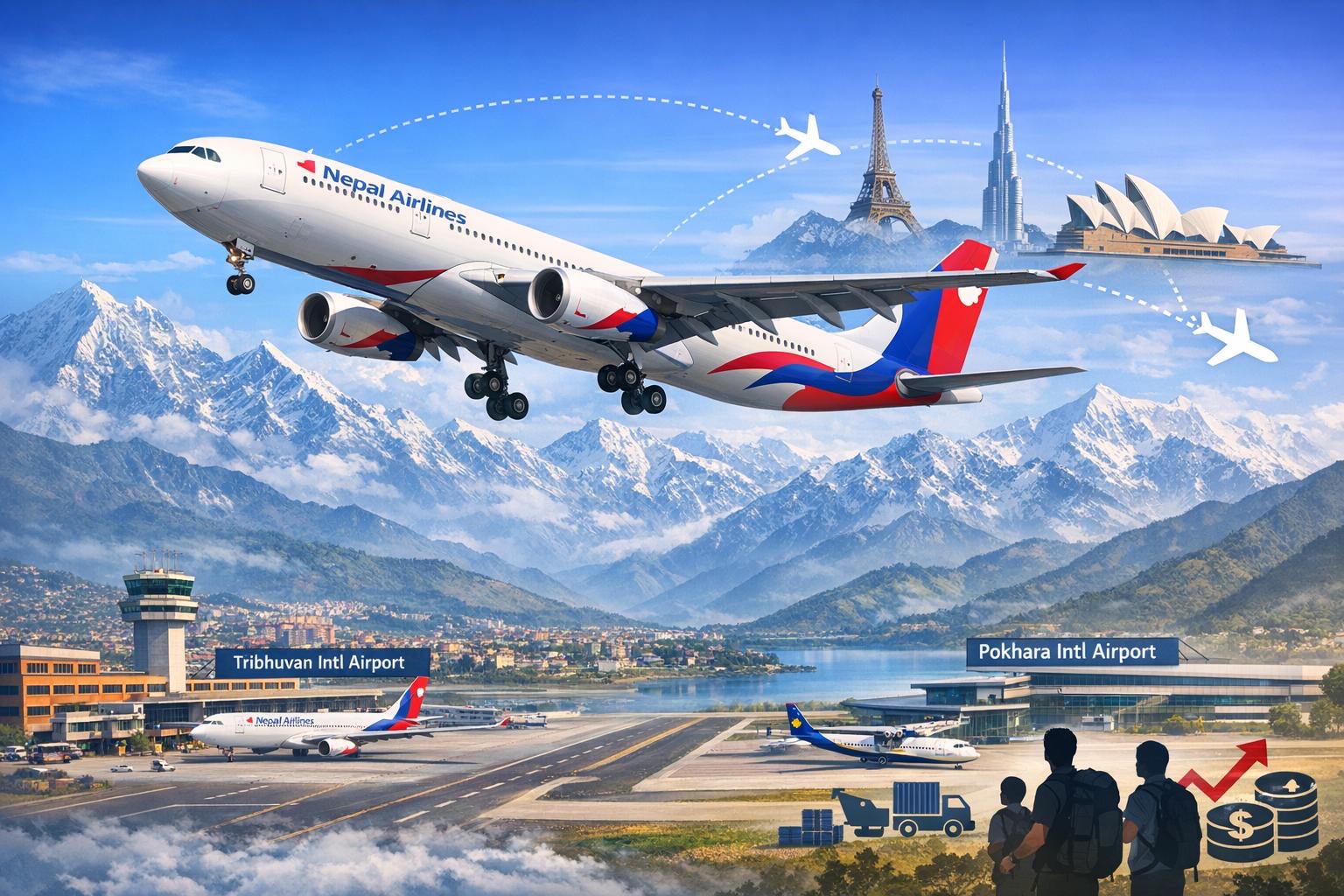
A primary priority is improving air connectivity. Increasing direct international flights to and from key markets, including India, China, the Middle East, Europe, Japan, and Southeast Asia, is essential. More competitive airfare pricing, better airport management, and fully utilizing Gautam Buddha International Airport (GBIA) and Pokhara International Airport (PIA) would significantly enhance Nepal’s accessibility. Upgrading Tribhuvan International Airport (TIA) is equally important to ensure smoother travel experiences and build global confidence.

Tourism Remains a Backbone of Nepal’s Economy
Stronger and more coordinated government action is also necessary. Policies related to tourism promotion, infrastructure, safety, and investment should be streamlined, while public–private partnerships can bring innovation and global-standard services. Establishing a national tourism strategy council could help improve branding, crisis management, and long-term planning.
Digital Marketing and Influencer Power to Drive the Next Tourism Boom
In the digital era, Nepal must prioritize digital marketing and global online engagement. The travel decisions of today’s youth, especially Gen Z and Millennials, are inspired by TikTok, Instagram, YouTube, Facebook, and travel influencers. Nepal should invest in high-quality destination videos, storytelling campaigns, social media advertisements, virtual trekking previews, influencer collaborations, and 365-day promotional content. These strategies can position Nepal as a trending, vibrant, and youth-friendly destination worldwide.
2026 Vision: Building a Smarter and More Competitive Tourism Sector
Expanding promotional events and festivals, such as adventure sports competitions, international tourism fairs, cultural expos, food festivals, music events, and global roadshows, can maintain global visibility and bring year-round excitement. Nepal also has enormous potential in culinary tourism, offering unique dishes such as momo, Newari cuisine, Thakali meals, Himalayan herbs, and regional delicacies. Organized food trails, cooking classes, and international chef collaborations can attract a new segment of cuisine-focused travelers.
Diversification and Sustainable Tourism for Long-Term Resilience
Diversifying Nepal’s tourism portfolio is equally vital. Activities such as eco-tourism, community-based tourism, homestays, wellness retreats, heritage circuits, and responsible trekking can deepen visitor experiences and distribute economic benefits more widely across regions. Improving safety standards, training tourism workers, and upgrading accommodation quality will raise Nepal’s global reputation.

Above all, Nepal must align its tourism strategy with global transformations. As the world evolves rapidly, Nepal must integrate digital engagement, quality tourism, sustainable practices, and emerging source markets into its national priorities in a strategic manner. This alignment is essential for long-term resilience and relevance in a competitive global tourism environment.
Improving Air Connectivity: The Gateway to Growth
If Nepal strengthens its air connectivity, embraces digital-first marketing, expands promotional activities, improves governance, promotes sustainable tourism, and empowers its youth, the country is well-positioned to exceed previous records and shine as one of the world’s most inspiring travel destinations in 2026 and beyond.
Written By: Som Nath Sapkota (Entrepreneur, Tourism Promoter, and Deputy General Secretary – NRNA ICC)
Source : tourisminfonepal