


Copyright © 2026 Som Sapkota , All rights reserved. For content rights
Developed by : Namuna Computer

Nepal, a nation of Himalayan grandeur, spiritual depth, and vibrant cultural heritage, has long regarded tourism not merely as an industry but as a passion and a philosophy that connects people, cultures, and nature. Over the decades, the Government of Nepal and the Nepal Tourism Board have launched several landmark tourism campaigns, including Visit Nepal 1998, Visit Nepal 2011, the Visit Nepal Europe Campaign 2017, and Visit Nepal 2020. These campaigns, each with distinctive leadership, clear goals, and notable achievements, collectively shaped Nepal’s identity as one of the world’s most enchanting and meaningful travel destinations.
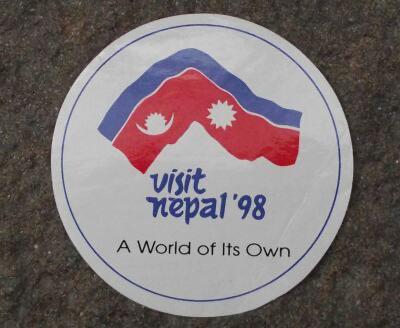 Visit Nepal 1998: Nepal’s First Global Tourism Push
The Visit Nepal 1998 campaign was Nepal’s first major effort to introduce itself systematically to global travelers. It was led by renowned travel visionary Karna Shakya in close partnership with the Government of Nepal and the Nepal Tourism Board (NTB). The campaign successfully positioned Nepal as a safe, welcoming, and adventure-rich destination. In the year of the campaign, Nepal received approximately 463,684 international tourists, marking a significant rise from earlier years and helping establish Nepal’s name on the global travel map. This effort encouraged the development of hospitality infrastructure in Kathmandu, Pokhara, and Chitwan and helped raise national awareness about the economic and cultural value of tourism.
Visit Nepal 2011: Diversifying Tourism and Expanding Markets 
Visit Nepal 2011 sought to diversify Nepal’s tourism offerings and reach new global markets. Driven by the Ministry of Tourism and the NTB, with respected tourism leader Yogendra Shakya coordinating key activities, the campaign expanded Nepal’s branding through cultural tourism, spiritual journeys, eco‑tourism, and community-based travel. In 2011, Nepal welcomed around 736,215 international visitors, reflecting strong growth in travel interest. The campaign also promoted lesser-known destinations such as Bardiya, Ilam, Lumbini, and Rara, boosting domestic travel and creating economic opportunities in rural areas through homestay programs and community tourism initiatives.
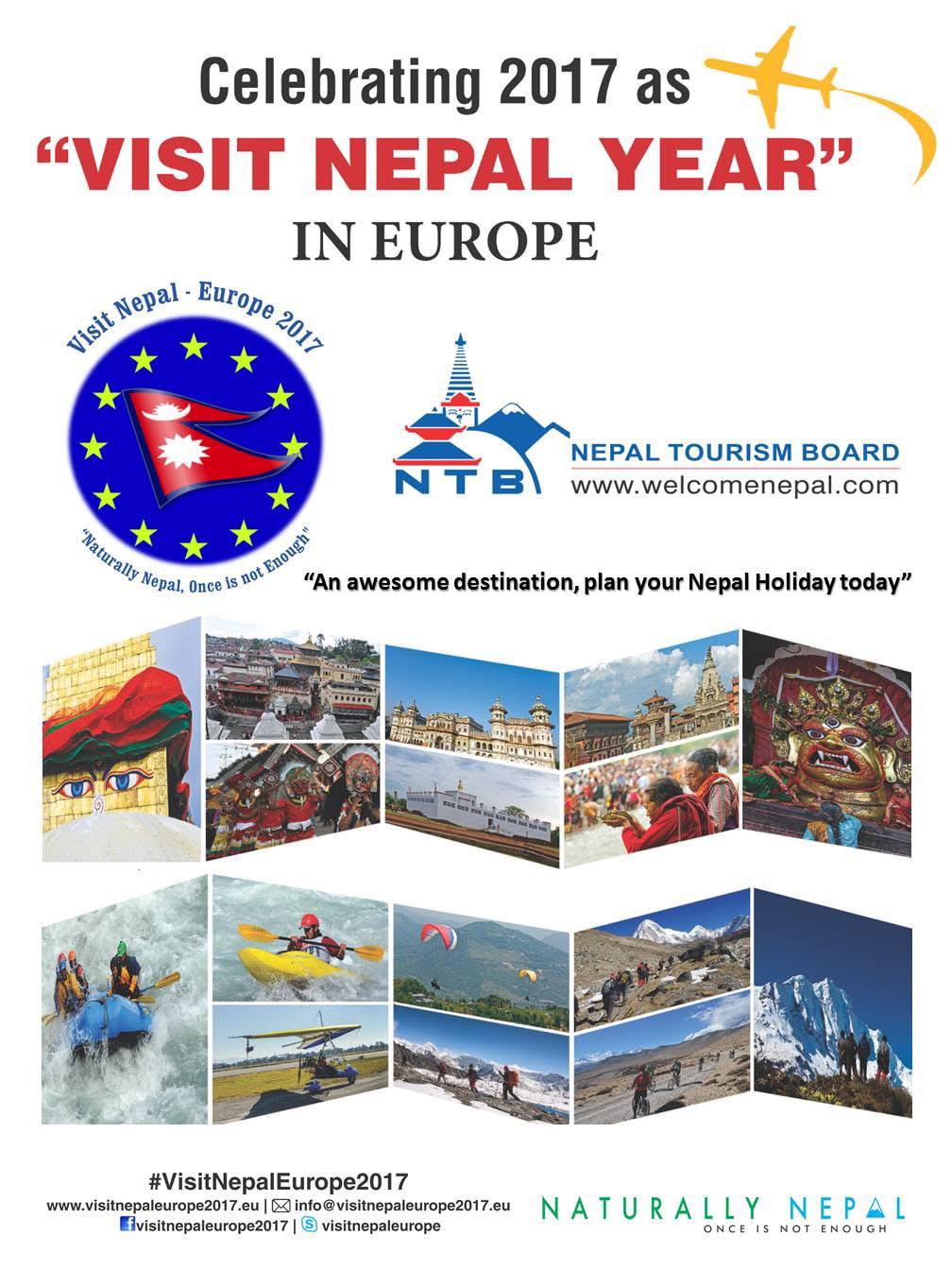 Visit Nepal Europe Campaign 2017: Rebuilding Global Confidence
The Visit Nepal Europe Campaign 2017 represented a modern and targeted approach to global travel promotion. The campaign was led by Deepeshman Shakya, with Somnath Sapkota and Pashupati Bhandari serving as deputy coordinators. The campaign focused on rebuilding confidence in global markets following the 2015 earthquake. Through roadshows, cultural events, travel fairs, digital marketing collaborations, and media partnerships in Germany, France, Italy, the United Kingdom, and the Netherlands, it promoted Nepal’s safety, resilience, and adventure potential. In 2017, Nepal received approximately 940,218 international tourists, one of the highest figures up to that time, underscoring the success of the campaign’s efforts to reconnect Nepal with European and other long-haul travelers.
Visit Nepal 2020: An Ambitious Vision Amid Global Crisis 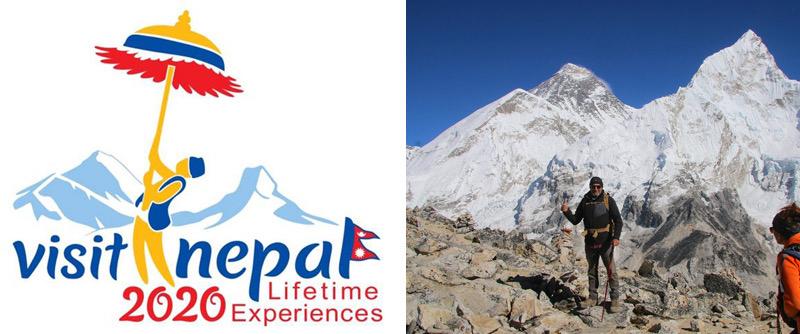
Visit Nepal 2020 was designed to be one of the most ambitious travel initiatives in Nepal’s history, aiming to welcome two million international visitors, with coordination by Suraj Vaidya and strong support from the late Tourism Minister Rabindra Adhikari, widely recognized as the campaign’s visionary architect. However, the COVID‑19 pandemic prevented the campaign from being fully realized. International travel restrictions caused a sharp decline in arrivals, and Nepal received only about 230,085 tourists in 2020. Despite these unprecedented challenges, the campaign succeeded in strengthening Nepal’s digital tourism presence through high-quality promotional content, virtual travel experiences, and online engagement. It also emphasized sustainable tourism, domestic travel, and improvements in service quality, laying the groundwork for recovery and future growth once international travel resumed.
Recovery and Current Trends
Since the pandemic, Nepal’s travel sector has seen a strong rebound. In 2024, Nepal recorded over 1.14 million international tourists, showing a significant recovery and growth from the pandemic period and surpassing 2023 figures. In 2025, by November, Nepal had welcomed 1,060,269 international tourists, indicating a continued resurgence in global travel demand and Nepal’s growing appeal as a destination. These figures demonstrate that Nepal is approaching or exceeding pre-pandemic levels as international confidence returns.
 Supporting Campaigns and Brand Building
Beyond these large-scale campaigns, Nepal and the Nepal Tourism Board have introduced several other initiatives to promote tourism, including Nepal: Naturally Yours, the post-earthquake Nepal is Safe campaign, various adventure-focused promotions, and digital outreach programs showcasing destinations such as Dolpo, Mustang, Khaptad, and Rara. These efforts helped diversify Nepal’s travel portfolio and reinforced the country’s commitment to sustainable tourism, cultural preservation, and community-based travel.
Impact on Economy, Communities, and Heritage
All campaigns collectively produced remarkable achievements. Tourist arrivals grew significantly during campaign and post-pandemic years, Nepal’s global brand strengthened, and travel infrastructure, including hotels, trekking lodges, homestays, and transport services, expanded nationwide. Local communities benefited financially and socially through homestays, guiding services, and cultural tourism initiatives. Heritage preservation efforts improved, international airline connectivity broadened modestly, and Nepal’s reputation as a premium adventure, culture, and spiritual destination deepened across global markets.
To further increase tourist arrivals in the future, Nepal can pursue several strategic approaches. Strengthening international air connectivity through more direct flights to Europe, China, Japan, the Gulf, and North America, while improving regional airports such as Pokhara and Bhairahawa, will make travel easier and more convenient. Investing in tourism infrastructure, including roads, eco-lodges, national parks, and rural facilities, will enhance visitor experience. Expanding digital marketing with professional promotional films, collaborations with global influencers, and targeted campaigns will broaden Nepal’s global reach.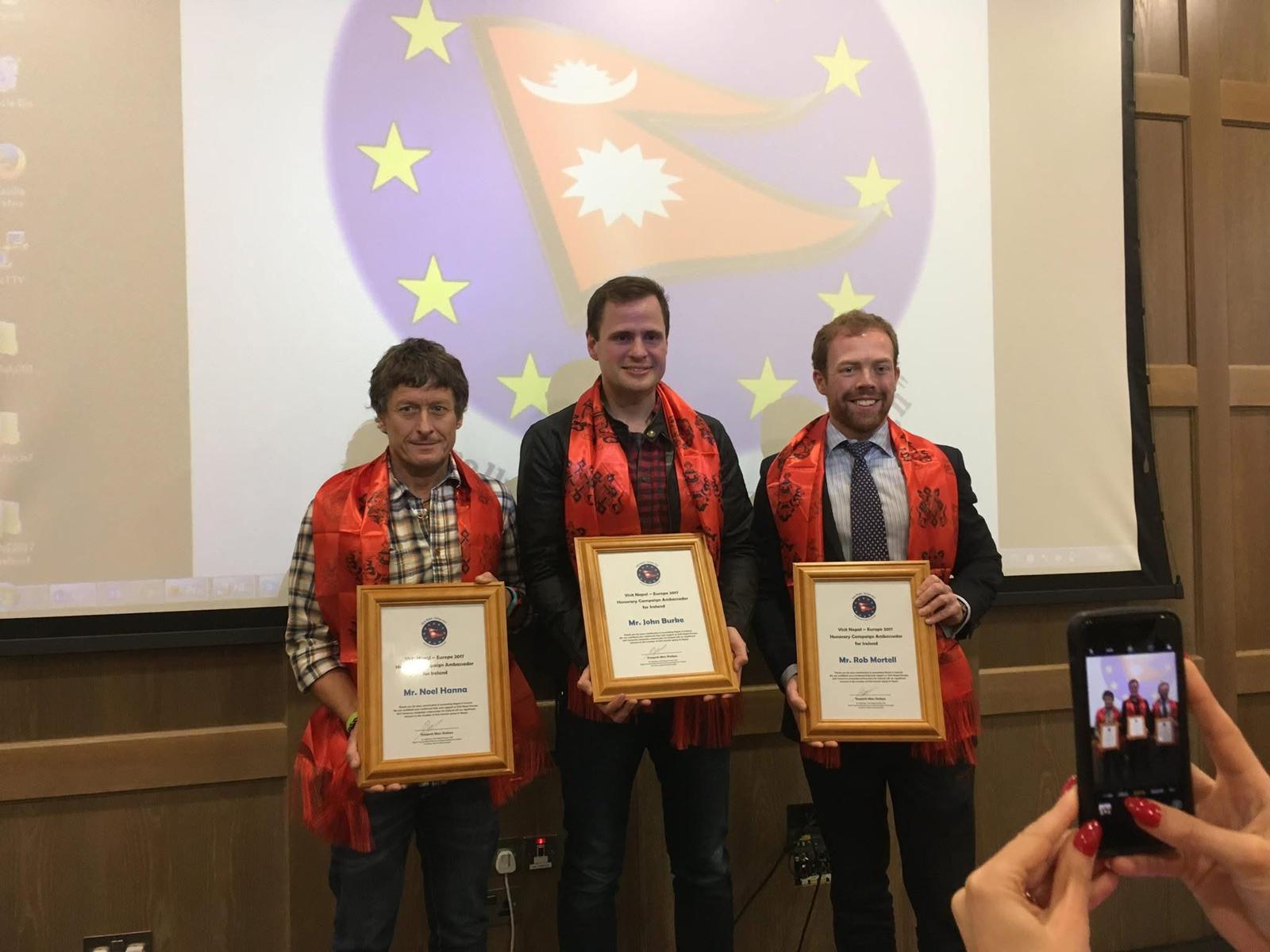
Promoting new travel segments such as wellness retreats, film and photography tourism, luxury travel, and festival-based experiences can attract high-value visitors. Ensuring cleaner trekking routes, better waste management systems, improved signage and rest stops, and stronger rescue services will enhance safety and sustainability. Simplifying visa procedures, expanding visa-on-arrival provisions, and offering long-stay and group incentives will make Nepal more accessible. Annual international promotions rather than once-in-a-decade campaigns, combined with youth and community empowerment and strong conservation policies, will ensure that travel benefits are sustainable and widely shared.
A Legacy of Visionary Leadership
From Visit Nepal 1998 to Visit Nepal 2020, Nepal’s tourism campaigns, led by inspiring figures such as Karna Shakya, Yogendra Shakya, Deepesh Man Shakya, Somnath Sapkota, Pashupati Bhandari, Suraj Vaidya, and the late Rabindra Adhikari, demonstrate the country’s enduring commitment to tourism as a national priority. These campaigns reflect a deep philosophy that tourism is more than an economic activity; it is rooted in hospitality, cultural pride, environmental appreciation, and global human connection. With continued innovation, sustainability, and collaboration, Nepal is poised to welcome millions more visitors and further strengthen its reputation as one of the world’s most extraordinary and meaningful destinations.
Written By: Som Nath Sapkota (Entrepreneur, Tourism Promoter, and Deputy General Secretary – NRNA ICC)