




Copyright © 2026 Som Sapkota , All rights reserved. For content rights
Developed by : Namuna Computer
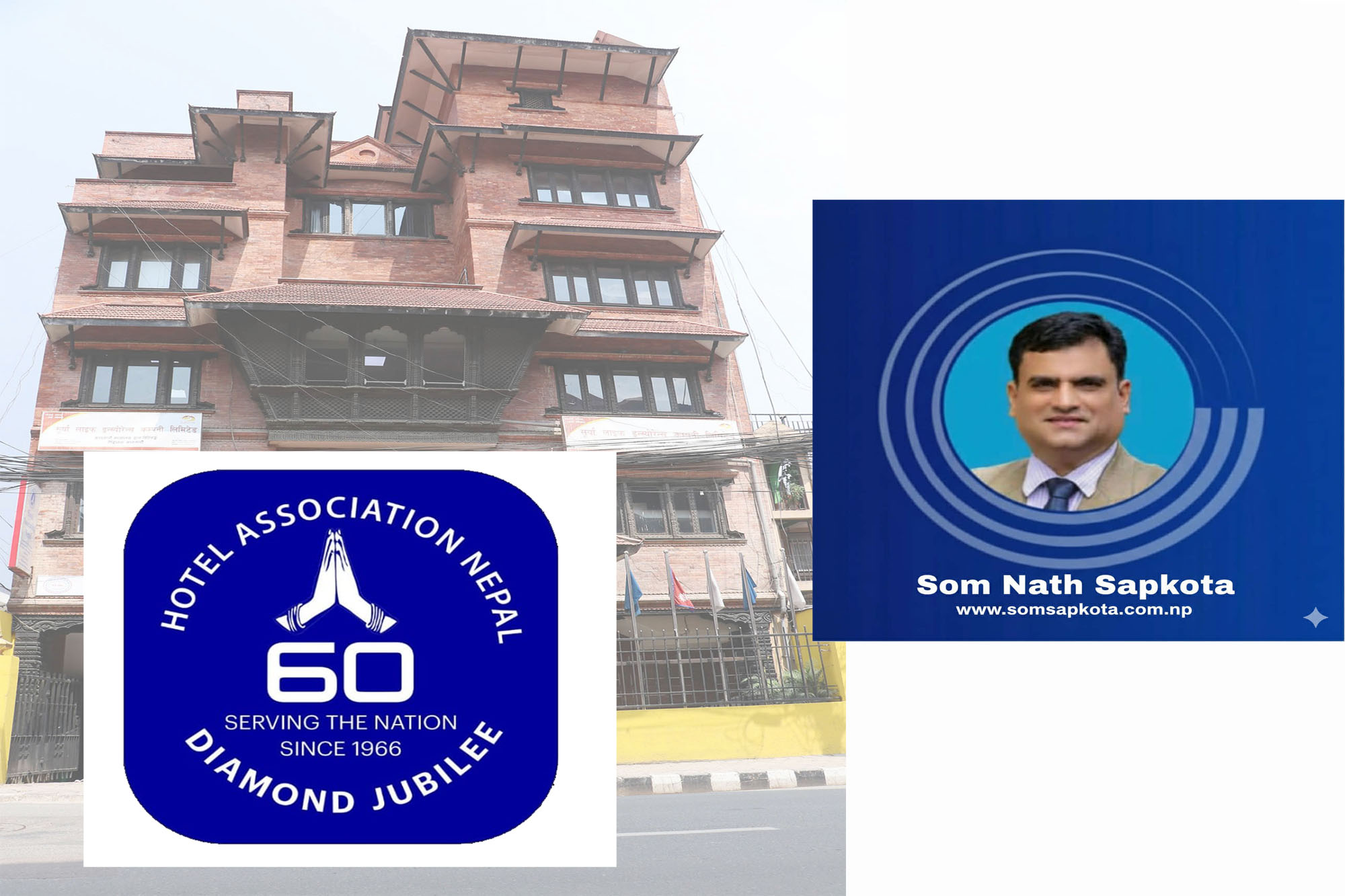
“From eight small hotels in Kathmandu to a nationwide force shaping Nepal’s tourism, the Hotel Association Nepal has defined six decades of hospitality excellence.”
Tourism has long been a cornerstone of Nepal’s economy, and at the heart of this vibrant industry lies the hotel sector. Hotels not only provide accommodation but also create jobs, promote culture, and stimulate related industries such as transportation, trekking, and local trade. In response to the need for a unified body to guide and support this growing sector, the Hotel Association Nepal (HAN) was established in 1966 as a non-profit organization. At that time, it comprised just eight member hotels, all within Kathmandu Valley. Even in its early days, HAN made a significant mark on tourism regulation, policy formulation, and the overall development of Nepal’s tourism sector.
During its first decade, HAN’s influence grew rapidly. The hotel sector was one of the few organized industries in Nepal at the time, enabling HAN to establish itself as a key player in tourism decision‑making. Between 1970 and the early 1980s, the hotel industry expanded beyond Kathmandu to major tourist destinations such as Pokhara and Chitwan. Hotels played a catalytic role in professionalizing travel and trekking services and contributed to the structured growth of Nepal’s tourism ecosystem.
The 1980s brought globalization and a rising demand for international standards in hospitality. Hotels were required to upgrade their infrastructure, service quality, and safety protocols to meet global expectations. HAN guided its members through this transformation, helping Nepali hotels become competitive on the world stage. Over the years, the HAN has grown into a platform that supports diverse members, from star‑rated and luxury hotels to heritage properties, boutique establishments, and rural resorts. Today, HAN represents more than 300 hotels, resorts, and guesthouses across Nepal, advocating for unity, cooperation, and professional development within the industry.
HAN’s work today stretches far beyond its early regulatory role. The HAN advocates for favorable government policies, promotes Nepal as a tourism destination internationally, and organizes training and capacity‑building programs for hotel staff and management. It fosters networking, knowledge sharing, and collective action among its members. HAN has also played a vital role in supporting the industry during crises, such as natural disasters and global disruptions like the COVID‑19 pandemic.
In 2026, the Hotel Association Nepal celebrated its Diamond Jubilee, marking 60 years of dedicated service to Nepal’s tourism and hospitality sector. This milestone highlighted HAN’s enduring role in raising service standards, supporting policy reform, and promoting the industry both at home and abroad.
Despite these achievements, the Nepali hotel industry still faces significant challenges. Policy gaps, inconsistent implementation, limited incentives for sustainable practices, and shortages of skilled manpower continue to hamper its full potential. Infrastructure limitations and uneven regional development also make it difficult for smaller and rural hotels to thrive alongside large urban establishments.
In recent years, Non‑Resident Nepalis (NRNs) have become vital contributors to the sector. NRNs bring investment, international expertise, and global networks that help open doors to new markets. They promote Nepal abroad and generate employment opportunities. Enabling NRNs to take on formal roles as global ambassadors and industry representatives would strengthen Nepal’s international tourism presence and create valuable bridges between local hotels and global partners.
Enhancing global coordination is another important step for HAN. By collaborating with international hotel associations, tourism bodies, and global networks, HAN can help Nepali hotels adopt best practices, access new markets, and participate more actively in international forums. Using the resources and connections of NRNs to build these global partnerships can further integrate Nepal’s hospitality sector with worldwide tourism trends and opportunities, increasing foreign investment and visitor interest.
To ensure the long‑term growth and resilience of Nepal’s hotel industry, the government must formally recognize hotels and hospitality services as a key industrial sector. Providing land on long‑term leases in high-potential tourism areas, offering soft loans at favorable interest rates, and granting tax exemptions for the first three years of hotel operations would encourage new investment and expansion. Infrastructure improvements in emerging tourist destinations, simplified licensing procedures, and national hospitality training programs would strengthen the sector further. Establishing emergency relief funds and public-private partnerships, while actively promoting NRN investment, would ensure that Nepal’s hotel industry remains competitive, sustainable, and globally connected.
Since its founding in 1966, the Hotel Association Nepal (HAN) has been a pioneering force in organizing, representing, and strengthening the country’s hospitality sector. From a small group of eight hotels in Kathmandu to a nationwide institution shaping policy, standards, and international partnerships, HAN’s contribution has been indispensable. The celebration of its Diamond Jubilee stands as a testament to six decades of commitment, resilience, and progress. With continued cooperation among HAN, the government, private investors, and NRNs acting as bridges to global markets, Nepal’s hotel industry can continue to grow sustainably, attract international visitors, and contribute meaningfully to national economic development.
Som Nath Sapkota,
DGS and Chair of the Tourism Promotion Committee, NRN ICC, Tourism Promoter for Wales, UK
Source : tourismmail